
Infants born with cleft lip, cleft palate, or cleft lip and palate have a distinct anatomical profile that can impact breastfeeding success. Most notably, difficulty separating oral and nasal cavities to generate adequate oral pressure. Feeding challenges associated with cleft lip and/or palate include insufficient milk transfer, slow growth, and prolonged feeding time, all of which can leave families feeling anxious and worried.
IBLCE Detailed Content Outline: I, II, III, V, VI VII
When parents are not appropriately educated or prepared regarding the unique needs of their late preterm infant, or Early Bird, the situation often deteriorates for them by week one or two weeks after birth, resulting in a baby who’s not thriving and/or a parent who’s not thriving, plus all the emotions of “what am I doing wrong?” This can be avoided, and late preterm dyads can be better protected with an optimization plan so that lactating parents can meet their own infant feeding goals despite having given birth prematurely. The late preterm infant frequently has physical limitations which prevent them from feeding from the chest/breast effectively, which can also lead to problems with the maintenance of adequate milk production if parents are not properly informed about these potential risks. However, with the proper information about Techniques to use to support progress in feeding, knowledge about expected Timelines for progress in lactation with a late preterm infant, and suggestions for what to Teach the parents of a late preterm infants, clinical lactation care providers can improve their ability to facilitate the ability to sustain lactation in this population.
IBLCE Detailed Content Outline: I, IIII, V, VI, VII
Latch pain has long been a significant reason for the premature cessation of breastfeeding. Globally, the percentage of women who experience nipple pain and damage upon discharge has remained largely reduced in the last 20 years. In this presentation, Avery Young will present an innovative, reflex-based approach to latching, based on her own observations working with infants, that has reduced nipple pain and damage in an overwhelming majority of the families she has supported, even when nipple damage is severe and has been persisting for months.
IBLCE Detailed Content Outline: I, III, VI, VII
Deep dive into infant food reactivity through breastfeeding by understanding the molecular and immunological basis of what happens when families are experiencing symptoms. Follow a protein from the mouth of the lactating parent all the way to the immune system response in the feeding child. Review timing for each step and how we can empower continued breastfeeding based on this research.
After this presentation, participants will be able to:
Skillful lactation consulting requires the ability to interpret sucking speed, suck:swallow ratios, and coordination of swallowing and breathing. This session presents recent research on normal sucking rhythms of breastfeeding infants. Compensatory strategies used by infants with prematurity and cardiorespiratory anomalies are discussed, and are illustrated with clinical videos. Cervical Auscultation (listening with a stethoscope over the baby’s neck or chin during feeding) is a useful tool for lactation consultants in assessing suck:swallow:breathe rhythms. Inaudible swallowing sounds become audible, and difficulties coordinating swallowing and breathing are more easily identified. This advanced practice presentation uses recorded sound files of cervical auscultation of breastfeeding infants to illustrate difficulties that can be identified using this method. Use of this information in clinical problem solving is stressed.
IBLCE Detailed Content Outline: I, III, VI
Hypoglycemia refers to a low blood or plasma glucose concentration and may reflect the imbalance between supply and utilization, and is the most common metabolic disturbance occurring in the neonatal period. It is frequent that healthcare professionals do not take actions that support breastfeeding mothers, leading frequently to early and unnecessary supplementation with artificial formulas, undermining breastfeeding. During this presentation, we will provide healthcare professionals with recent evidence base guidelines on neonatal hypoglycemia and the recommendations that may support the breast /chest feeding families.
IBLCE DEtailed Content Outline: I, II, III, IV, V, VI, VII
Despite the known risks, routine labour interventions are very common. However, the risks associated with routine labour interventions are not limited to infant and maternal health. Interventions used during labour can often cause negative downstream challenges for breastfeeding initiation and continued lactation success. This lecture examines the most commonly used labour interventions and their potential negative consequences with regard to establishing and maintaining lactation. This discussion explores the latest research on many labour interventions such as induction of labour, maternal IV fluids, epidural anesthesia, instrumental delivery, and cesarean delivery (and others). The analysis will include the known physiological factors that can impede the establishment of breastfeeding in the critical early postpartum period and offer several strategies to minimize the negative impact on lactation.
IBLCE Detailed Content Outline: I, II, III, IV, V, VI VII
This presentation will explore what induced lactation is, circumstances where it may be needed and review several real case studies of induced lactation and their outcomes. Participants will come away with a deeper knowledge and understanding of inducing lactation, as well as how to better counsel and support families who choose this path.
IBLCE Content Outline: I, II, IV, V, VI, VII
The connection between the thyroid gland and milk production has not been well-recognized or appreciated. The good news is that new animal research is providing us with insights into the possible effects of thyroid dysfunction. This talk takes a detailed look at hypothyroidism, hyperthyroidism, postpartum thyroiditis and thyroid cancer and the unique challenges each presents for lactation, and then discusses treatment strategies and interfacing with the health care team.
IBLCE Detailed Content Outline: II, III
II Physiology and Endocrinology
III Pathology
An overview of neonatal jaundice will be presented. The pathophysiology of hyperbilirubinemia will be explained. Red flags for medical opinion and treatment will be highlighted. Strategies for supporting breastfeeding and optimising lactation during and following resolution of jaundice will be explored.
IBLCE Detailed Content Outline: I, II, III
Women who have insufficient glandular tissue (IGT) may struggle with their milk supply, despite good breastfeeding management. Some of these babies can present with dehydration in the neonatal period, hypernatremia or even death, and it is uncommon for mothers to receive support with breastfeeding to achieve goals that benefit the dyad. It is of great importance to help with an accurate and prompt diagnosis that benefits both mother and baby and supports the choice to continue breastfeeding with breast/ chest supplementation if needed.
IBLCE Content Outline: I, II, III, IV, V, VI, VII
Immunoglobulin A (IgA) is secreted into breast milk and is critical to both protecting against enteric pathogens and shaping the infant intestinal microbiota. The efficacy of breast milk-derived maternal IgA (BrmIgA) is dependent upon its specificity however, variability in the binding ability to the infant intestinal bacteria is not known. We demonstrated that a relative reduction in IgA binding to inflammatory intestinal bacteria in preterm infants is associated with an increased likelihood of developing Necrotizing Enterocolitis (NEC), so binding of intestinal bacteria in infants may be important in some settings. Using a flow cytometric array, we analyzed the ability of BrmIgA against bacteria common to the infant microbiota and discovered substantial variability between all donors. Conversely, longitudinal analysis showed that the anti-bacterial reactivity of breast milk-derived antibodies was relatively stable through time, even between sequential infants, indicating that mammary gland IgA responses are durable. Together, our study demonstrates that the anti-bacterial BrmIgA reactivity displays inter-individual heterogeneity but intra-individual stability. These findings have important implications for how breast milk shapes the development of the preterm infant microbiota and protects against NEC.
IBLCE Detailed Content Outline: I, II, III
Congenital heart disease (CHD) is the most common birth defect. Cardiac and respiratory inefficiency complicate feeding for a significant minority of infants. Breastfeeding is generally easier for these infants than other feeding methods, especially if modifications are made to accommodate their reduced stamina and ability to manage flow. This presentation reviews the most common cardiac and respiratory issues in newborns and infants, along with research-based strategies to preserve breastfeeding and educate parents about their baby’s special feeding needs.
IBLCE Content Outline: I, II, III, IV, VI, VII
Breastfeeding offers metabolic benefits for both mother and child, particularly in the context of maternal metabolic conditions such as diabetes, obesity and polycystic ovary syndrome (PCOS). However, lactating parents with insulin-resistant conditions experience more difficulties in establishing and sustaining lactation. In this presentation, we will review the basic pathophysiology of diabetes and PCOS, discuss the impact of these conditions on breastfeeding outcomes, outline the likely underlying mechanisms for lactation difficulties in women with metabolic disease, and describe clinical management considerations.
IBLCE Content Outline: I, II, III, VII
In this presentation, Ginna will take a look back at history, and then review the current literature on nipple soreness in breastfeeding mothers. She will explore various approaches to preventing/managing pain, look at some new modalities not yet widely in use, and finish with some unique case studies.
IBLCE Content Outline: I, III, IV, VI, VII
I. Development and Nutrition
III. Pathology
IV. Pharmacology and Toxicology
VI. Techniques
VII. Clinical Skills
For most maternal medications, the potential for harming the breastfed infant is minimal; only small amounts of medication are transferred into human milk and absorbed by the infant. Most reviews of medications for breastfeeding women conclude that the benefits of medication use during lactation outweigh the risks. Yet, health professionals and families are often unsure about the safety of medicines on the breastfed infant, and this is still a barrier to achieving Australia’s breastfeeding goals.
IBLCE Content Outline: II, III, IV
Sadly, many mothers are told that they cannot breastfeed when taking medication if they have a chronic condition. It is seen as more important that the mother’s health is managed and breastfeeding is seen as unimportant and a drain on the mother. This is rarely based on evidence-based information or an understanding of how drugs pass into milk and the value of term breastfeeding. In this presentation, we will look at the way to use specialist sources of information, illustrated by situations commonly encountered by lactating mothers with chronic conditions and how breastfeeding may protect the health of future generations.
IBLCE Content Outline: I, III, IV, VII
The incidence of substance use disorder (SUD) in pregnancy has been increasing globally, with a concomitant increase in affected infants with in utero substance exposure. It is recommended by most perinatal associations for dyads with maternal substance use and no active illicit use to breastfeed. In this presentation we will review these recommendations, the known and investigational benefits of breastfeeding that are specific to dyads with maternal SUD, and best practices and novel interventions to support breastfeeding in this population. Specifically, we will focus on providing breastfeeding support that takes into account the complex web of medical and social complexities experienced by dyads with maternal SUD including histories of trauma, social isolation, housing/transportation insecurity, psychiatric and medical comorbidities/medications, pain, low milk production, neonatal withdrawal, child welfare involvement, stigma and more.
IBLCE Content Outline: III, IV, V, VII
III. Pathology
IV. Pharmacology & Toxicology
V. Psychology, Sociology & Anthropology
VII. Clinical Skills
Marijuana is now legal for recreational use in various countries and has a complex legal situation in most. CBD oil, a hemp derivative, is legalized in Australia and most of the United States. Due to popularity of these substances, lactating mothers often assume legality equals safety. This presentation discusses the psychoactive potential of both these substances, their similarities, and their differences. It also discusses the large gap in knowledge and lack of research on both. Finally, it discusses educational, harm-reduction approaches the IBCLC can take with mothers to give information while maintaining a trusted partnership.
IBLCE Content Outline: IV, V, VII
IV. Pharmacology & Toxicology
V. Psychology, Sociology & Anthropology
VII. Clinical Skills
Do herbs help support healthy lactation for some? How can we approach galactagogues for lactating parents in an individualized way? How can clinicians evaluate evidence and determine safety regarding galactagogues?
Herbs have been used throughout history to nourish the postpartum parent and enhance lactation. Today over 80% of the global population use plant medicines in postpartum and infant care. Parents coping with milk supply concerns are often desperate to ‘try anything’ that might help. As a clinician, you play an essential role in helping families understand the risks and benefits of herbs during lactation. By identifying meaningful resources and reliable information around galactagogues, health professionals empower families to make safe, informed choices. Beyond Fenugreek critically examines the use of herbal galactagogues to support lactation and postpartum mood concerns. This module focuses on the foundational need for individualized support when it comes to galactagogue discussion and selection.
IBLCE Content Outline: IV, VII
IV. Pharmacology & Toxicology
VII. Clinical Skills
This presentation aims to enhance the understanding of lactation consultants regarding the safe use of maternal medications during breastfeeding. We will discuss the vital benefits of breastfeeding for maternal-infant dyads, delve into the physiology of how drugs transfer into human milk, and explore both actual and perceived risks to infants from maternal medication use. By examining current research and clinical strategies, we will identify methods to minimize infant risk while supporting maternal health, thus enabling informed decision-making to promote continued breastfeeding. This presentation seeks to bridge the gap between pharmacological theory and practical lactation consulting to optimize outcomes for both mothers and their infants.
IBLCE Content Outline (III, IV, V, VII)
III. Pathology
IV. Pharmacology & Toxicology
V. Psychology, Sociology & Anthropology
VII. Clinical Skills
Breastfeeding is on the rise in the 21st century. However, even with all of the evidence-based research and verification from health care professionals, there are still some strong barriers to breastfeeding. Research and case studies have associated how child sexual abuse, intimate partner violence and birth trauma suffered by the mother and the baby can interfere with breastfeeding initiation and duration. By dissecting some of the research and case studies, this presentation identifies how trauma, either endured by mother, baby, or both, can lead to failure to initiate breastfeeding, latch issues, milk supply problems, painful feeds and early cessation of breastfeeding. Both psychological and physiological damage can occur during this delicate post-partum period. This presentation will help the provider to detect the sometimes subtle signs of trauma. By using the research and case studies, providers will learn how to best support women who are struggling with the backlash of trauma and abuse. Once trauma has been identified, taking care to problem solve is crucial for initiating and sustaining breastfeeding under difficult circumstances.
IBLCE Content Outline: I, V, VI, VII
In this presentation, Professor Chamberlain will:
IBLCE Content Outline: V, VII
LGBTQIA+ and gender non-conforming individuals have existed throughout history and across all regions, yet their experiences are often excluded from discussions of child-rearing. As global communities become more accepting of parents of all genders and sexualities, parenthood is increasingly accessible. And, of course, babies need to be fed! Supporting human lactation means that all should have equal access to human milk and the opportunity to chestfeed or breastfeed if they choose. This presentation will explore the common challenges faced by members of LGBTQIA+ and gender non-conforming communities, as well as affirming and supportive practices. Additionally, we will examine how lactation may be affected by gender-affirming treatments, such as hormones or surgeries. At the end of the presentation, participants will have actionable steps to take to improve their support for LGBTQIA+ and gender non-conforming patients.
IBLCE Content Outline: I, II, IV, V, VI, VII
I. Development & Nutrition
II. Physiology & Endocrinology
IV. Pharmacology & Toxicology
V. Psychology, Sociology & Anthropology
VI. Techniques
VII. Clinical Skills
Inevitably much of the work of breastfeeding support focuses on establishing a feeding relationship, but we shouldn’t underestimate the challenges that weaning can bring, especially for an older child who has a strong emotional connection to breastfeeding. This presentation describes how we can support parents in making decisions about how to end a breastfeeding relationship and how to go about it in a way that feels authentic and emotionally supportive for all parties. When our society simultaneously devalues natural term breastfeeding and perceives child-led weaning as an ideal, parents can be left feeling isolated. What role can breastfeeding supporters have?
IBLCE Content Outline: I, V, VII
I Development & Nutrition
V Psychology, Sociology & Anthropology
VII Clinical Skills
In this presentation, Kathryn will take participants through finding out the news you are expecting more than one, mixed emotions, preparation to breastfeed, premature birth, late preterm and early term birth, tandem feeding, and ongoing breastfeeding. Multiple birth families have more barriers to establishing breastfeeding than the average singleton family and often need ongoing support.
IBLCE Content Outline: I, II, V, VI, VII
I. Development & Nutrition
II. Physiology & Endocrinology
V. Psychology, Sociology & Anthropology
VI. Techniques
VII. Clinical Skills
Well-organized sensory systems provide the foundation for relational feeding. Sensory interactions communicate the story of the dyad, a window into strengths and challenges. Encouraging families to attune to their own sensory preferences and that of their infant can significantly influence the dynamics of the body/chest feeding relationship. This presentation will explore the basics of sensory processing as it relates to provider, parent, and infant co-regulation in the context of chest/breastfeeding and lactation support. We will explore basic neurology and cultural influences of the 8 senses though dyadic examples. Ways in which subtle signs of sensory disorganization and sensory processing disorder present in chest/breastfeeding relationships will also be reviewed. Participants will learn practical strength-based sensory strategies to support families in the beginning stages of life, feeding, and beyond.
IBLCE Content Outline: I, III, V, VI, VII
I. Development & Nutrition
III. Pathology
V. Psychology, Sociology & Anthropology
VI. Techniques
VII. Clinical Skills
In this presentation, Dr Kellams will review how to support families with exclusive breastfeeding, how to determine if supplementation is needed, how to prevent the need for supplementation, and how to get back to breastfeeding if supplementation occurs.
Following the presentation, participants will be able to:
IBLCE Detailed Content Outline: I, III, IV, V, VI, VII
In this presentation, participants will learn about the causes of feeding aversion in breastfeeding babies and signs, even ones that may be quite subtle, that are indicative of aversion at the breast. They will be instructed on ways to support mothers in maintaining a breastfeeding relationship through the use of responsive feeding measures. Responsive feeding is a reciprocal process between a parent and an infant where infants communicate their hunger and fullness cues, and parents respond to those cues. With responsive feeding measures, caregivers are taught ways to manage feeding aversion, without force or pressure and through the use of consistent and predictable responses which help teach the baby self-regulation with eating. Participants will be able to support families in identifying and even preventing more intense aversive feeding behaviours that could sabotage the breastfeeding relationship. While aversion to the breast can be stressful to the family, it can be managed with the right responsive feeding techniques. Participants will also be educated on ways to collaborate with other health care professionals, such as a dietitian if the feeding situation is more complex and parents may be experiencing fear due to poor weight gain.
IBLCE Content Outline: I, III, V, VI, VII
Antenatal breastmilk expression (ABME) has been shown to be effective in reducing the use of infant formula supplementation and significantly improves postnatal lactation performance by causing early establishment of adequate milk supply. What are the dos and don’ts of this technique?
Following the presentation, participants will be able to:
IBLCE Detailed Content Outline: I, II, III, VI, VII
In this presentation, Ginna will discuss the use of alternative feeding methods, nipple shields, weighing babies, and pumping. When do they help? When do they hinder? As we acquire more devices and new technology, how do we discern which ones help and which cause problems of their own?
IBLCE Detailed Content Outline: III, VI, VII
‘Faltering Weight’ is used to describe a baby whose weight gain is less than expected, and in 2017 NICE Guidance was produced to provide evidence-based information and recommendations for those working with the weight faltering babies. This presentation seeks to provide information and resources on supporting the families of breastfed babies who are weight faltering and explores some case studies for discussion.
Following the presentation, participants will be able to:
IBLCE Detailed Content Outline: I, II, III, VI, VII
This presentation will focus on improving your clinical skills during your lactation consultations to enable you to get the best outcomes for your clients/patients. There will be a focus on improving your history-taking and examination skills. This presentation will address some common conditions of the breastfeeding dyad and highlight red flags to watch out for. Finally, the presentation will cover formulating a management plan and making appropriate referrals.
Following the presentation, participants will be able to:
IBLCE Detailed Content Outline: I, III, IV, V, VI, VII
Breast pain is one of the major causes of weaning. The likelihood of weaning increases the longer pain persists. Engorgement, plugged ducts, and mastitis are commonly associated with acute breast pain. Therapeutic Breast Massage in Lactation (TBML) is one of the important measures to resolve pain quickly. The purpose of this presentation is to enhance knowledge of TBML techniques for relieving discomfort caused by engorgement, plugged ducts and mastitis in lactating women and learn how to empower breastfeeding mothers to use these techniques as well.
After this presentation participants will be able to:
IBLCE Detailed Content Outline: III, V, VI, VII
Communication is an essential skill for healthcare professionals. Motivational Interviewing has been proven to be one of the best models for encouraging self-directed learning and effect long term change. This talk explains how to effectively use principles and the spirit of Motivational Interviewing to help guide decisions and support Participant-Centered Learning. There is a focus on educating while respecting the autonomy of the client.
Following the presentation, participants will be able to:
IBLCE Content Outline: VII
Most cis-women can exclusively breastfeed. However, a small cohort are unable to produce enough milk to exclusively breastfeed due to having primary low milk supply (PLMS). Recent qualitative studies have found that having breastfeeding difficulties and in particular, PLMS, can have significant implications for mothers’ mental health and well-being in the postpartum period. Research has also revealed that this cohort struggles to find information about PLMS and that they tend to be dissatisfied with the breastfeeding and lactation support they receive from healthcare professionals and others. This presentation will explore the phenomenon of PLMS - causes, prevalence, and recent research, and challenges faced by parents who experience it. Practical approaches to supporting this cohort will be outlined, with an emphasis on providing manageable, practical care plans that support lactation, psychological well-being, maternal mental health and the mother-baby relationship. The presentation will also address the emotional and social impacts on mothers of being unable to breastfeed exclusively in the way that they had hoped and the embodied nature of what it is to be a woman whose body cannot make sufficient milk. The importance of skilled and individualized breastfeeding support for parents with PLMS will be highlighted and specific areas for improving the support provided to women with PLMS will be illuminated.
IBLCE Detailed Content Outline: I, II, III, IV, V, VI, VII
I. Development & Nutrition
II. Physiology & Endocrinology
III. Pathology
IV. Pharmacology & Toxicology
V. Psychology, Sociology & Anthropology
VI. Techniques
VII. Clinical Skills

Anita Bearzatto
Anita is a GP and IBCLC who works in the field of Breastfeeding Medicine and maternal and child health. Anita works with families who have complicated breastfeeding problems and addresses the varied medical issues of the mother and baby in the perinatal period. Anita works in private practice in Melbourne and she also works sessions at the Breastfeeding and Lactation Disorders Clinic at The Royal Women’s Hospital. Finally, recognising an unmet need, Anita provides ongoing lactation education and support to healthcare professionals and the community. Anita is a board member of the Breastfeeding Medicine Network of Australia and New Zealand.

Lisa Marasco
Lisa Marasco has been working with breastfeeding mothers for 35 years and has been an IBCLC since 1993. She holds a Master’s degree in Human Development with specialization in Lactation Consulting and was designated a Fellow of ILCA in 2009. Lisa is co-author of Making More Milk: The Breastfeeding Guide to Increasing Your Milk Production, a contributing author to the Core Curriculum for Interdisciplinary Lactation Care, and a Cochrane Collaborative author. She is retired from the Women, Infant and Children (WIC) program of Santa Barbara County but continues to research, write and speak as well as spend time with her children and grandchildren.

Ginna Wall
Ginna ran the lactation program at the University of Washington Medical Center in Seattle Washington for 35 years. She led the way to Baby-Friendly Hospital certification in 2009 and recertification in 2019. Before that she was an acute care inpatient pediatric nurse, a camp nurse, a childbirth educator, and a doula. She enjoys teaching healthcare workers about all the things she learned along the way.

Shel Banks
Shel Banks is an UK-based IBCLC, specialising in the unsettled baby with symptoms of colic, reflux, allergy and faltering weight. She also works in the NHS as well as working and volunteering for various national and international organisations in the world of infant feeding and early parenting. She was involved in 3 x infant feeding-focussed NICE Guidelines - including NG75 on Faltering weight in Infants and Young Children. In addition, Shel is clinical director for the mobile app - Anya, working to support improved pregnancy, parenting and infant feeding outcomes for families everywhere. Shel is currently undertaking her doctoral study on supporting parents of unsettled babies with colic, reflux and allergy, through the Maternal and Infant Nutrition and Nurture (MAINN) Group at the University of Central Lancashire (UCLAN), UK. She is the author of the book Why Formula Feeding Matters (2022).

Emma Pickett
First qualifying as a breastfeeding counsellor with the UK’s Association of Breastfeeding Mothers in 2007, and previously their chair for 9 years, Emma qualified as an IBCLC in 2011 and has written 4 books (You’ve Got It In You: A Positive Guide to Breastfeeding, The Breast Book, Supporting Breastfeeding Past the First Six Months and Beyond, and Supporting the Transition From Breastfeeding). She volunteers as part of the training team for the UK National Breastfeeding Helpline and at groups in her local area in North London. Her private practice focuses on supporting breastfeeding families at all stages. Her podcast, “Makes Milk with Emma Pickett” has a regular focus on weaning alongside all aspects of the breastfeeding experience.

Maya Bolman
Maya Bolman was born and raised in Minsk, Belarus. She was certified as IBCLC in 2001 and currently works as a lactation consultant at Senders Pediatrics and Breastfeeding Medicine of Northeast Ohio. Maya is well known internationally for her work promoting hand expression and breast massage to health professionals and parents. She recognizes that teaching these basic tools helps empower them to work through breastfeeding challenges including engorgement, plugged ducts, separation from the infant, and milk supply concerns. She has worked with Dr. Ann Witt to create an instructional video “The Basics of Breast Massage and Hand Expression” and conducted research on the effectiveness of Therapeutic Breast Massage in Lactation (TBML) both in the office and as a treatment at home for mothers. Maya Bolman is the proud owner of “BreastKindness”, LLC which is dedicated to empowering parents and consultants through education; supporting their goals; teaching simple and effective techniques.
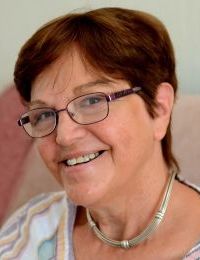
Wendy Jones
Dr Wendy Jones is known for her work on providing a service on the compatibility of drugs in breastmilk and has been a registered breastfeeding supporter for 39 years. She is passionate that breastfeeding should be valued by all and that medication should not be a barrier. In her employed life she was a primary care pharmacist. Wendy left paid work 15 years ago to concentrate on writing her books and developing her website to provide information for mothers and professionals. Although threatening to retire, somehow she keeps getting involved in projects and she still enjoys supporting families and professionals. Wendy has published 4 books: Breastfeeding and Medication (2018), The Importance of Dads and Grandmas to the Breastfeeding Mother (2017), Why Mother’s Medication Matters (2017), Breastfeeding and Chronic Medical Conditions (2020) and co-edited A Guide to Supporting Breastfeeding for the Medical Professional (2019). She is currently writing a book about cancer following her daughter’s journey. Wendy has also written a lot of factsheets on Breastfeeding and Medication on her website www.breastfeeding-and-medication.co.uk. Wendy was awarded an MBE in the New Year’s Honours List 2018 for services to mothers and babies. She received her award at Windsor Castle in May 2019 from Her Majesty Queen Elizabeth. She has 3 daughters and 7 grandchildren all of whom were breastfed to term. They form a large part of her life together with her husband, horse and dogs.

Catherine Chamberlain
Professor Catherine Chamberlain is an Australian NHMRC Career Development Fellow and Professor of Indigenous Health at the Centre for Heath Equity, The University of Melbourne. She has worked in maternal health in remote, rural and urban settings over 25 years as a midwife and public health researcher. A descendant of the Trawlwoolway people (Tasmania), her current research project aims to co-design perinatal awareness, recognition, assessment and support strategies for Aboriginal and Torres Strait Islander parents experiencing complex childhood trauma.

Lisa Amir
Professor Lisa Amir is a general practitioner and lactation consultant. She works in breastfeeding medicine at The Royal Women's Hospital in Melbourne. She is a Principal Research Fellow at the Judith Lumley Centre, La Trobe University, Australia, and the Editor-in-Chief of the International Breastfeeding Journal.

Christy Jo Hendricks
Christy Jo Hendricks, IBCLC, is an international speaker, educator, inventor, and author. She has made a career of teaching lactation in ways that simplify learning. She has been awarded the US Presidential Volunteer Award for her community service, the Phyllis Klaus Founder's Award for her contribution to the mother/baby bond and the Above and Beyond Award for innovative projects that exemplify the mission of Public Health. She has also been named Lactation Educator Faculty of the Year from CAPPA and has earned their Visionary Award. Christy Jo created the Grow Our Own Lactation Consultant/IBCLC Prep Course which has been used to train hundreds of students to become Lactation Consultants. She resides with her family in California where she continues to serve her community as a Lactation Consultant, Health Educator for the Department of Public Health, doula and faculty for the CAPPA CLE© and Childbirth Educator Programs.

Catherine Watson Genna
Catherine Watson Genna is an IBCLC in private practice in New York City since 1992. She loves to teach, locally mentoring clinical interns and traveling to educate healthcare professionals around the world on assisting breastfeeding babies with anatomical, genetic or neurological problems. Catherine collaborates with Columbia University and Tel Aviv University Departments of Biomedical Engineering on research projects investigating the biomechanics of the lactating nipple and various aspects of sucking and swallowing in breastfeeding infants. She is the author of Selecting and Using Breastfeeding Tools: Improving Care and Outcomes and Supporting Sucking Skills in Breastfeeding Infants as well as professional journal articles and chapters in the Core Curriculum for Lactation Consultant Practice and Breastfeeding and Human Lactation.

Gillian Opie
Gillian is a consultant neonatologist of over 25 years experience. She has been an IBCLC since 1997 with a particular interest in supporting mothers breastfeeding their preterm infants. She has been an active member of the Victorian Infant Collaborative Study group (VICS) undertaking long-term neurodevelopmental follow-up of infants born extremely preterm and of extremely low birthweight. Other research interests include probiotics (Proprems trial). Caffeine for Apnoea of Prematurity (CAP trial), High Dose Docosahexanoic Acid and Preterms and Diabetes and Antenatal Milk Expressing (DAME trial). In 2011 Gillian was instrumental in establishment of the Mercy Health Breastmilk Bank. She continues to be a board member of the International Breastfeeding Journal.

Melody Jackson
Dr Melody Jackson is a GP, IBCLC and an adjunct senior clinical lecturer (UNDS). She has completed a master of public health, diplomas of child health and cognitive behavioural therapy and a postgraduate certificate in traumatic stress studies. This unique skill set drives her passion and expertise in the areas of breastfeeding medicine, maternal mental health and whole family wellbeing. She is the clinical director of Breastfeeding & Beyond in Bella Vista, Sydney, and also serves on the boards of the Academy of Breastfeeding Medicine (ABM) and the Breastfeeding Medicine Network of Australia and New Zealand (BMNANZ).

Trillitye Paullin
Dr Trill is a molecular biologist, inventor, and the founder of Free to Feed™, where she combines cutting-edge research with personal experience to empower families managing infant food allergies while breastfeeding. She leads multiple NSF- and Idaho Chamber-funded studies and holds the first U.S. patent for detecting dietary proteins in human milk. Her own journey began in 2015 when she navigated her daughter’s severe food allergies and realized there were no evidence-based tools to help. Out of that urgency, Free to Feed was born—now based in North Carolina’s Research Triangle Park—offering education, clinical support, and an at-home allergen detection system. Dr Trill also brings over 20 years of leadership from her service in the Army National Guard, including a deployment to Iraq and numerous domestic emergency missions. She speaks regularly on maternal-infant health, immunology, and food allergy innovation and serves as chief science officer for Nova Vita Laboratories and Restore Biologics.

Melissa Cole
Melissa Cole is an IBCLC, neonatal oral motor assessment professional, clinical herbalist, and perinatal mental health-certified provider with over two decades of experience. As the founder of Luna Lactation & Wellness, Melissa provides clinical lactation consultations, mentorship for healthcare professionals, and education worldwide on topics ranging from infant feeding challenges to integrative perinatal care. Her approach bridges tradition and science, empowering families and providers alike with practical tools, clinical insight, and compassionate guidance. Melissa is an international speaker, researcher, published author, and a mentor to clinicians seeking advanced training in lactation and perinatal health. She is passionate about creating inclusive care spaces that honor the diverse experiences of families. Before entering clinical practice, Melissa’s background was in education, language, and cultural arts while living and studying in Japan. This experience deepened her crosscultural awareness, communication skills, and creativity—strengths that continue to serve her well in supporting diverse families with sensitivity and care.

Jessica Boyce
Dr Jessica Boyce is a speech pathologist and lecturer in Melbourne, Australia. She has clinical expertise working with infants and children born with cleft lip and/or palate. Her research has led to several scientific publications in this area, including the AMB Guidelines for Breastfeeding Infants with Cleft Lip, Cleft Palate, or Cleft Lip and Palate.

Mariana Colmenares Castano
Dr Colmenares specialises in paediatrics and breastfeeding medicine. She has a special interest in tongue-tie assessment and division, and has had the opportunity to work with many challenging cases. She is a founding member of the Mexican organization of IBCLC’s, Asociacion de Consultores Certificados en Lactancia Materna de Mexico, ACCLAM and is also secretary of the Academy of Breastfeeding Medicine. She coordinates a 280 hour online breastfeeding course for health-care professionals.

Kelly Durbin
Kelly Durbin is an IBCLC, childbirth educator, author, and volunteer breastfeeding counselor. She has co-authored original research on breastfeeding topics and is the sole author of Protecting Your Potential for Breastfeeding. As a lactation consultant, Kelly has provided one-on-one consultations, taught prenatal breastfeeding education, and led nine lactation support groups in five US states, offering evidence-based information, practical support, and compassionate care to hundreds of families since 2008. Kelly is the curriculum development coordinator for Childbirth International. She lives in Portland, Oregon, USA, with her husband and two daughters.

Christine Staricka
Christine Staricka is an IBCLC, health writer, and trained childbirth educator. Christine is the author of the book Evolving the Modern Breastfeeding Experience: Holistic Lactation Care in the First 100 Hours. Christine has 25 years of experience providing clinical lactation care in a wide variety of settings, and she writes a blog and hosts a podcast, both under the name Evolve Lactation. Christine is a fellow of the International Lactation Consultant Association. She holds a bachelor's degree from the University of Phoenix. She has been married for 32 years, lives in California, and is the proud mother of 3 amazing daughters.

L. Avery Young
Avery Young is a passionate enthusiast about empowered feeding and is on a mission to help make feeding feel better. Over the last few years, she has been observing, studying and experimenting with engaging the reflexes that infants use when feeding, to help make the latching progress work better. This work has transformed her practice and her ability to make profound changes in the families she supports. She has a master's degree in Biology, a Master's Degree in Science Education and has been supporting feeding families for almost a decade.

Tim Hand
Dr Hand is associate professor of pediatrics and immunology and the director of the Gnotobiotic Animal core facility at the University of Pittsburgh. Currently, he directs the Immunity to Bacterial Colonization Lab at UPMC Children’s Hospital. He has published over 35 research articles and scholarly reviews and was named the inaugural ‘Emerging Leader’ by the Society for Mucosal Immunology in 2022.

Dianne Cassidy
Dianne is an IBCLC, podcaster, author, lactation education manager and has been working with families since 2008. In 2010, Dianne completed her Advanced Lactation Certification and BS In Maternal Child Health/Lactation. In 2013, she completed her MA in Health and Wellness/Lactation. Dianne has worked with thousands of families throughout the years in all areas of their breast/chest feeding journey. Dianne’s skillset has been informed by her broad experiences in WIC, in a hospital setting, in a busy pediatric office, a primary care office, telehealth, and private practice. From the prenatal period through weaning (whenever that may be), she has been a valued source of support and knowledge for families worldwide. Dianne teaches using her real-life experiences and case studies, which sets her apart in the lactation field providing a personalized and realistic experience for her audiences. Dianne’s evolution began as a clinical, patient-centered lactation consultant to a public speaker and educator, where she really shines. Her energy is contagious, and is felt by families, lactation consultants and birth workers alike.

Grace Tay Yue Wen
Dr Grace is a practising lactation consultant at Gloria Lactation Centre, and founder of Gloria Confinement Centre, a postnatal care centre located in Penang, Malaysia. She graduated with Honours from University College Dublin in 2012 and received the Malaysian Medical Association Book Prize for Obstetrics & Gynaecology, and for Surgery. Dr Grace is currently engaged in research with the RCSI-UCD Malaysian Campus for the “Evaluation of an Antenatal Lactation Preparation Package (ALPP) on Breastfeeding Practices Among Postnatal Mothers in a Postnatal Care Centre in Penang”, and “BF City— determining the indicators of a breastfeeding-friendly city”. She is also an active member of the Making Penang Breastfeeding-Friendly (MBPF) State Government Initiative since 2019.

Caoimhe Whelan
Caoimhe (Irish name pronounced “Keeva”!) is a private practice IBCLC who lives in Dublin. She qualified as an IBCLC in 2016 after following the "Pathway 1" route as a voluntary breastfeeding counsellor. Caoimhe has a special interest in how mothers experience breastfeeding, postpartum mental health, breastfeeding difficulties and low milk supply, and breastfeeding education. In 2023 she graduated from University College Dublin with an MSc by research, having undertaken a qualitative study on mother’s lived experiences of breastfeeding with primary low milk supply. The first paper from Caoimhe’s research was published in Breastfeeding Medicine in March 2024.

Ann Kellams
Dr Ann Kellams is board-certified in both pediatrics and breastfeeding and lactation medicine, and is an IBCLC and a professor of pediatrics. In 2006, Dr Kellams joined the UVA Department of Pediatrics faculty and became the medical director of the newborn service on the maternity unit. She is the founder and director of UVA’s Breastfeeding and Lactation Medicine program. In 2018, Dr Kellams became the vice chair for Clinical Affairs for UVA’s Dept of Pediatrics. In 2022, she was inducted into the American Pediatric Society, and in 2023 she was in the first class of physicians to become certified by the North American Board of Breastfeeding and Lactation Medicine. She is the immediate past president of the Academy of Breastfeeding Medicine.

Kaytlin Krutsch
Kaytlin Krutsch is a mother, researcher, and professor at the InfantRisk Center at TTUHSC. Her research focuses on medication transfer into breast milk and getting this information into practice. Kaytlin believes mothers deserve more: better answers to their medication questions, healthcare experiences that foster respect, and encouragement that their health is equally as important as their child’s. With a background in nutrition, pharmacology, and research Dr Krutsch was uniquely qualified to step into Dr. Tom Hale’s shoes as the director of the InfantRisk Center in 2023. She has authored two books, 5 chapters, and over 50 articles on lactation pharmacology.

Jill Rabin
Jill Rabin is a pediatric speech pathologist and IBCLC who has been working with the 0- to 3-year-old population for over 39 years. She is based in the north suburbs of Chicago, in the United States, where she has a private practice working with young babies and their families with feeding and speech/language issues. Her areas of specialty include facilitating breastfeeding in at-risk populations such as preterm infants, babies with complex medical histories and babies with Down syndrome, managing feeding aversion and using the Adapted Baby-Led Weaning Approach® to transition babies with feeding challenges to solids. Jill also works with breastfeeding babies who refuse the bottle. She co-authored the book Your Baby Can Self-Feed, Too! with Gill Rapley which was published in 2022. Jill lectures nationally and internationally on adapted baby-led weaning, managing complicated breastfeeding dyads and managing feeding aversion. She teaches live virtual classes for transitioning to solids to parents of babies exhibiting neurotypical development and/or feeding challenges. Jill co-moderates a monthly international Zoom group for expectant, pumping and breastfeeding parents of babies with Down syndrome through Julia’s Way and the Massachusetts Down Syndrome Congress.

Kate Rassie
Dr Kate Rassie is a consultant endocrinologist at Monash Health and at Jean Hailes for Women’s Health, Melbourne. She is also a final-year PhD candidate at Monash Centre for Health Research and Implementation, Monash University. Her doctoral thesis focuses on the relationships between maternal metabolic health and breastfeeding, with a focus on insulin-resistant conditions such as PCOS and diabetes. Clinically, she works in diabetes, obesity and metabolism; and across all aspects of female hormonal health and reproductive endocrinology (including menopause, PCOS, hypothalamic amenorrhoea, menstrual mood disorders, bone health, weight management, and thyroid disease).
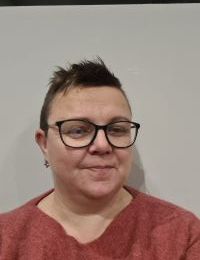
Kathryn Stagg
Kathryn is mum to four boys: twins and two subsequent singletons. She trained as a breastfeeding peer supporter and volunteered in the groups for years in and around Harrow, NW London, UK. Kathryn caught the breastfeeding support bug, first training as a breastfeeding counsellor with the Association of Breastfeeding Mothers and then as an IBCLC. Kathryn started Breastfeeding Twins and Triplets Facebook group 8 years ago and it now has over 10000 members. It has recently been made into a UK charity. Kathryn is passionate about delivering high-quality breastfeeding support to as many twin and triplet families as possible, creating resources and educating healthcare professionals and breastfeeding supporters. She runs a small private practice and continues to teach music part-time, her original career path.

Katherine R. Standish
Dr Standish is a fellowship-trained breastfeeding medicine specialist and researcher in the Department of Family Medicine at Boston University. She is co-founder of the Breastfeeding Equity Center at Boston Medical Center, which aims to increase equity in breastfeeding support and outcomes. Her research addresses breastfeeding services and interventions in socially marginalized and medically high-risk populations. She currently serves as chair of the Protocol Committee of the Academy of Breastfeeding Medicine. Dr Standish studied medicine at Yale University, completed residency training and a primary care academic fellowship at Boston Medical Center, earned an MS in Epidemiology at Boston University School of Public Health, and completed a fellowship in breastfeeding and lactation medicine through the University of Rochester.

Casey Rosen-Carole
Dr Rosen-Carole is chief of the Division of Breastfeeding and Lactation Medicine (BFLM) at the University of Rochester in Rochester, NY, USA. She trained at New York Medical College where she graduated with a joint MD/MPH degree, and completed a residency in Paediatrics at Yale Children's Hospital. She was a practicing community paediatrician and residency faculty from 2008-2014, in New Haven, CT (Yale University), then in New York's Hudson Valley (New York College of Osteopathic Medicine and Mt. Sinai School of Medicine) before relocating to Rochester to complete a fellowship in Breastfeeding Medicine and General Academic Paediatrics with Dr Ruth Lawrence. At this time, she completed a master's degree in education, which serves as the foundation for her current work educating healthcare providers in advanced care of lactating people. She is the fellowship director for the University of Rochester's Breastfeeding and Lactation Medicine in-person fellowship, and for the LILAC fellowship, an online 2-year academic fellowship in BFLM. Her research focuses on education of healthcare providers in BFLM, implementation of best practices for lactation support, and the role of maternal stress in lactation. Dr Rosen-Carole was associate editor of Breastfeeding: A guide for the medical profession, 9th Ed. and will be co-editor for the 10th edition. She practices outpatient and inpatient Breastfeeding and Lactation Medicine.
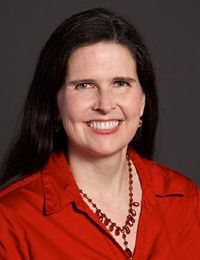
Marie Zahorick
Marie Zahorick became a La Leche League Leader in 1999 and an IBCLC in 2005. After several years of working as a hospital-based bilingual IBCLC, she attended nursing school and eventually became a board-certified Family Nurse Practitioner. In the meantime, she continued working as a hospital-based lactation consultant doing inpatient, outpatient, and Level III NICU lactation support at a variety of hospitals and with a wide variety of patient populations. After graduate school, Marie was recruited to work as a nurse practitioner in psychiatry. She was fellowship-trained to manage patients in the acute inpatient setting, partial hospitalization, outpatient office, and OB patients in the general hospital setting. She specializes in women’s psychiatry, especially medical management of women who are pregnant or lactating. Her expertise includes psychopharmacology in pregnant and lactating women as well as general psychopharmacology. She is experienced at diagnosing and treating mental illnesses such as bipolar disorder, perinatal/postpartum mood and anxiety disorders, postpartum psychosis, obsessive-compulsive disorder, premenstrual and perimenopausal mood disorders, and personality disorders. She lives in the Chicago area with her husband and they have three adult children.

Gretchen Becker Crabb
Gretchen Becker Crabb is an occupational therapist, licensed professional counselor, and endorsed infant mental health therapist. She is also a certified lactation counselor, La Leche League Leader, and Brazelton Newborn Observation (NBO) trainer. Gretchen owns and operates a private practice in Madison, Wisconsin and is mentor/faculty for the University of Wisconsin-Madison Infant, Early Childhood and Family Mental Health Capstone Program. For 24 years, she has provided developmental, trauma, feeding, and attachment support for tiny humans and their caregivers in birth to three, preschool, private practice, and peer group settings. Gretchen is an international speaker, reflective supervisor, and infant mental health consultant. In these roles, she offers compassionate, experiential, and reflective holding spaces for professionals. She is a proud military spouse and mother of three incredible boys.
 US/USD