For most maternal medications, the potential for harming the breastfed infant is minimal; only small amounts of medication are transferred into human milk and absorbed by the infant. Most reviews of medications for breastfeeding women conclude that the benefits of medication use during lactation outweigh the risks. Yet, health professionals and families are often unsure about the safety of medicines on the breastfed infant, and this is still a barrier to achieving Australia’s breastfeeding goals.
IBLCE Content Outline: II, III, IV
Sadly, many mothers are told that they cannot breastfeed when taking medication if they have a chronic condition. It is seen as more important that the mother’s health is managed and breastfeeding is seen as unimportant and a drain on the mother. This is rarely based on evidence-based information or an understanding of how drugs pass into milk and the value of term breastfeeding. In this presentation, we will look at the way to use specialist sources of information, illustrated by situations commonly encountered by lactating mothers with chronic conditions and how breastfeeding may protect the health of future generations.
IBLCE Content Outline: I, III, IV, VII
The incidence of substance use disorder (SUD) in pregnancy has been increasing globally, with a concomitant increase in affected infants with in utero substance exposure. It is recommended by most perinatal associations for dyads with maternal substance use and no active illicit use to breastfeed. In this presentation we will review these recommendations, the known and investigational benefits of breastfeeding that are specific to dyads with maternal SUD, and best practices and novel interventions to support breastfeeding in this population. Specifically, we will focus on providing breastfeeding support that takes into account the complex web of medical and social complexities experienced by dyads with maternal SUD including histories of trauma, social isolation, housing/transportation insecurity, psychiatric and medical comorbidities/medications, pain, low milk production, neonatal withdrawal, child welfare involvement, stigma and more.
IBLCE Content Outline: III, IV, V, VII
III. Pathology
IV. Pharmacology & Toxicology
V. Psychology, Sociology & Anthropology
VII. Clinical Skills
Marijuana is now legal for recreational use in various countries and has a complex legal situation in most. CBD oil, a hemp derivative, is legalized in Australia and most of the United States. Due to popularity of these substances, lactating mothers often assume legality equals safety. This presentation discusses the psychoactive potential of both these substances, their similarities, and their differences. It also discusses the large gap in knowledge and lack of research on both. Finally, it discusses educational, harm-reduction approaches the IBCLC can take with mothers to give information while maintaining a trusted partnership.
IBLCE Content Outline: IV, V, VII
IV. Pharmacology & Toxicology
V. Psychology, Sociology & Anthropology
VII. Clinical Skills
Do herbs help support healthy lactation for some? How can we approach galactagogues for lactating parents in an individualized way? How can clinicians evaluate evidence and determine safety regarding galactagogues?
Herbs have been used throughout history to nourish the postpartum parent and enhance lactation. Today over 80% of the global population use plant medicines in postpartum and infant care. Parents coping with milk supply concerns are often desperate to ‘try anything’ that might help. As a clinician, you play an essential role in helping families understand the risks and benefits of herbs during lactation. By identifying meaningful resources and reliable information around galactagogues, health professionals empower families to make safe, informed choices. Beyond Fenugreek critically examines the use of herbal galactagogues to support lactation and postpartum mood concerns. This module focuses on the foundational need for individualized support when it comes to galactagogue discussion and selection.
IBLCE Content Outline: IV, VII
IV. Pharmacology & Toxicology
VII. Clinical Skills
This presentation aims to enhance the understanding of lactation consultants regarding the safe use of maternal medications during breastfeeding. We will discuss the vital benefits of breastfeeding for maternal-infant dyads, delve into the physiology of how drugs transfer into human milk, and explore both actual and perceived risks to infants from maternal medication use. By examining current research and clinical strategies, we will identify methods to minimize infant risk while supporting maternal health, thus enabling informed decision-making to promote continued breastfeeding. This presentation seeks to bridge the gap between pharmacological theory and practical lactation consulting to optimize outcomes for both mothers and their infants.
IBLCE Content Outline (III, IV, V, VII)
III. Pathology
IV. Pharmacology & Toxicology
V. Psychology, Sociology & Anthropology
VII. Clinical Skills
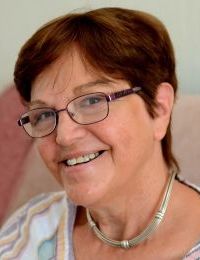
Wendy Jones
Dr Wendy Jones is known for her work on providing a service on the compatibility of drugs in breastmilk and has been a registered breastfeeding supporter for 39 years. She is passionate that breastfeeding should be valued by all and that medication should not be a barrier. In her employed life she was a primary care pharmacist. Wendy left paid work 15 years ago to concentrate on writing her books and developing her website to provide information for mothers and professionals. Although threatening to retire, somehow she keeps getting involved in projects and she still enjoys supporting families and professionals. Wendy has published 4 books: Breastfeeding and Medication (2018), The Importance of Dads and Grandmas to the Breastfeeding Mother (2017), Why Mother’s Medication Matters (2017), Breastfeeding and Chronic Medical Conditions (2020) and co-edited A Guide to Supporting Breastfeeding for the Medical Professional (2019). She is currently writing a book about cancer following her daughter’s journey. Wendy has also written a lot of factsheets on Breastfeeding and Medication on her website www.breastfeeding-and-medication.co.uk. Wendy was awarded an MBE in the New Year’s Honours List 2018 for services to mothers and babies. She received her award at Windsor Castle in May 2019 from Her Majesty Queen Elizabeth. She has 3 daughters and 7 grandchildren all of whom were breastfed to term. They form a large part of her life together with her husband, horse and dogs.
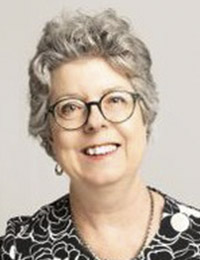
Lisa Amir
Professor Lisa Amir is a general practitioner and lactation consultant. She works in breastfeeding medicine at The Royal Women's Hospital in Melbourne. She is a Principal Research Fellow at the Judith Lumley Centre, La Trobe University, Australia, and the Editor-in-Chief of the International Breastfeeding Journal.

Melissa Cole
Melissa Cole is an IBCLC, neonatal oral motor assessment professional, clinical herbalist, and perinatal mental health-certified provider with over two decades of experience. As the founder of Luna Lactation & Wellness, Melissa provides clinical lactation consultations, mentorship for healthcare professionals, and education worldwide on topics ranging from infant feeding challenges to integrative perinatal care. Her approach bridges tradition and science, empowering families and providers alike with practical tools, clinical insight, and compassionate guidance. Melissa is an international speaker, researcher, published author, and a mentor to clinicians seeking advanced training in lactation and perinatal health. She is passionate about creating inclusive care spaces that honor the diverse experiences of families. Before entering clinical practice, Melissa’s background was in education, language, and cultural arts while living and studying in Japan. This experience deepened her crosscultural awareness, communication skills, and creativity—strengths that continue to serve her well in supporting diverse families with sensitivity and care.
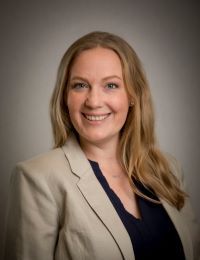
Kaytlin Krutsch
Kaytlin Krutsch is a mother, researcher, and professor at the InfantRisk Center at TTUHSC. Her research focuses on medication transfer into breast milk and getting this information into practice. Kaytlin believes mothers deserve more: better answers to their medication questions, healthcare experiences that foster respect, and encouragement that their health is equally as important as their child’s. With a background in nutrition, pharmacology, and research Dr Krutsch was uniquely qualified to step into Dr. Tom Hale’s shoes as the director of the InfantRisk Center in 2023. She has authored two books, 5 chapters, and over 50 articles on lactation pharmacology.
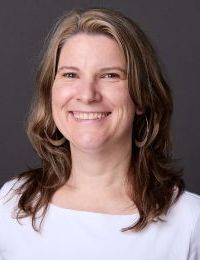
Katherine R. Standish
Dr Standish is a fellowship-trained breastfeeding medicine specialist and researcher in the Department of Family Medicine at Boston University. She is co-founder of the Breastfeeding Equity Center at Boston Medical Center, which aims to increase equity in breastfeeding support and outcomes. Her research addresses breastfeeding services and interventions in socially marginalized and medically high-risk populations. She currently serves as chair of the Protocol Committee of the Academy of Breastfeeding Medicine. Dr Standish studied medicine at Yale University, completed residency training and a primary care academic fellowship at Boston Medical Center, earned an MS in Epidemiology at Boston University School of Public Health, and completed a fellowship in breastfeeding and lactation medicine through the University of Rochester.
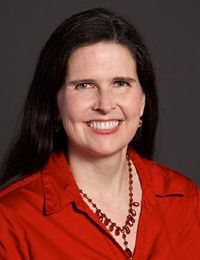
Marie Zahorick
Marie Zahorick became a La Leche League Leader in 1999 and an IBCLC in 2005. After several years of working as a hospital-based bilingual IBCLC, she attended nursing school and eventually became a board-certified Family Nurse Practitioner. In the meantime, she continued working as a hospital-based lactation consultant doing inpatient, outpatient, and Level III NICU lactation support at a variety of hospitals and with a wide variety of patient populations. After graduate school, Marie was recruited to work as a nurse practitioner in psychiatry. She was fellowship-trained to manage patients in the acute inpatient setting, partial hospitalization, outpatient office, and OB patients in the general hospital setting. She specializes in women’s psychiatry, especially medical management of women who are pregnant or lactating. Her expertise includes psychopharmacology in pregnant and lactating women as well as general psychopharmacology. She is experienced at diagnosing and treating mental illnesses such as bipolar disorder, perinatal/postpartum mood and anxiety disorders, postpartum psychosis, obsessive-compulsive disorder, premenstrual and perimenopausal mood disorders, and personality disorders. She lives in the Chicago area with her husband and they have three adult children.
 US/USD