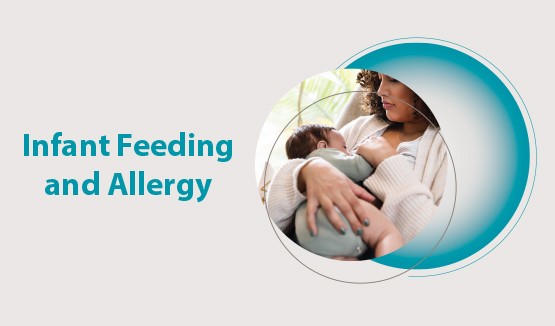
Food Protein Induced Enterocolitis Syndrome (FPIES) is a non-IgE mediated allergy to food proteins. Infants may present with repeated episodes of vomiting, and/or chronic diarrhoea and faltering growth. A 2019 Australian case series demonstrated that 5% of cases occurred in exclusively breastfed infants. Infants with FPIES face significant feeding challenges, and families require significant support. Diagnosis is often delayed leading to additional stress for families. This presentation will provide an overview of FPIES, with a focus on the breastfeeding dyad and communicating with allergy families.
Re-introducing foods once excluded from the maternal diet can be guided by the foods most likely to be tolerated and the value foods bring in terms quality and enjoyment of the maternal diet. Approach to food reintroduction into the maternal diet can be informed by impact of exclusion, effect of recent accidental exposures and high priority nutritional foods. Careful re-introduction clarifies eliminated foods that are tolerated, if a food is an issue and the level of exposure than can be achieved through breast milk at any point in time. Insight gained often provides confidence to parents when introducing allergens into the baby’s diet.
After this presentation, participants will be able to:
The overconsumption of processed foods has a negative impact on breastfeeding and healthy living. A diet rich in processed foods, sugary foods, fried foods and fast foods causes an abundance of adipose tissue, alters the gut microbiome, and contributes to an increase in intestinal permeability. These three factors have the potential to negatively impact breastfeeding. This increase in intestinal permeability causes the junctions in the gut to become more pliable, thereby allowing ingested foods to directly enter the blood stream and bypass the liver. Additionally, poor/inadequate intake of dietary fiber coupled with poor dietary intake alters the gut microbiome. Proper nutrition rapidly heals the digestive tract.
This session will focus on common concerns regarding infant digestive health and useful support strategies that care providers can incorporate into their work with families. We will discuss what's normal and what's not in regard to stooling, spit up/reflux, colic/fussiness, food sensitivities, and more. Many parents are coping with babies that are uncomfortable and unhappy due to digestive health concerns. Dealing with a fussy, uncomfortable baby is emotionally and physically draining. Having a basic understanding of infant gut health and care strategies can be useful tools for any type of practitioner working with infants.
IBLCE Content Outline: I, III, IV, V, VII
An introduction into the diagnosis of food allergies, particularly in the breast fed infant and with an introduction into the potential role of dysbiosis and the advantages of dietary and probiotic treatment in same.
After this presentation, participants will be able to:
Deep dive into infant food reactivity through breastfeeding by understanding the molecular and immunological basis of what happens when families are experiencing symptoms. Follow a protein from the mouth of the lactating parent all the way to the immune system response in the feeding child. Review timing for each step and how we can empower continued breastfeeding based on this research.
After this presentation, participants will be able to:

Frances Walker
Frances Walker dedicates 50% of her Food Intolerance Private Practice working with babies sensitive to food allergens and other food components via the maternal milk. Working with mothers across the nation and locally, Frances supports parents to find a pathway through the confusing world of babies reacting to breast milk with often very distressing symptoms despite having already made dietary eliminations to their diets. Maximising nutrition while supporting elimination with the ultimate aim of re-introducing foods as tolerated is often an individual pathway requiring a thorough detailed analysis. Seeing babies emerge from the fog of symptoms to finding their smiles is reward in itself.

Thorsten Stanley
Dr Stanley is a senior lecturer in paediatrics at the University of Otago, Wellington. He has been a consultant paediatrician since 1980 with special expertise in all aspects of allergy management and prevention, with particular experience in probiotics and diagnosis of non-IgE food allergies.
Trillitye Paullin
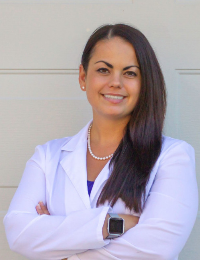
Dr Trill is a molecular biologist, inventor, and the founder of Free to Feed™, where she combines cutting-edge research with personal experience to empower families managing infant food allergies while breastfeeding. She leads multiple NSF- and Idaho Chamber-funded studies and holds the first U.S. patent for detecting dietary proteins in human milk. Her own journey began in 2015 when she navigated her daughter’s severe food allergies and realized there were no evidence-based tools to help. Out of that urgency, Free to Feed was born—now based in North Carolina’s Research Triangle Park—offering education, clinical support, and an at-home allergen detection system. Dr Trill also brings over 20 years of leadership from her service in the Army National Guard, including a deployment to Iraq and numerous domestic emergency missions. She speaks regularly on maternal-infant health, immunology, and food allergy innovation and serves as chief science officer for Nova Vita Laboratories and Restore Biologics.

LaChiana A. Hamilton
Dr. Hamilton is the co-founder and chief operations officer of Free To Feed. She is currently serving as a nurse practitioner at a federally qualified health center in Okatie, SC. In this position, she proudly serves the socioeconomically disadvantaged and the underserved. LaChiana served in the United States Military as an Army Officer for over 11 years. LaChiana departed from military service after her son had open-heart surgery in 2009; this event led her to healthcare. She has a heart for teaching children how to grow up to be healthy adults and for helping mothers learn to navigate the complexities of feeding infants with food intolerances.

Danuta Amelung
Dr Amelung is a general practitioner with a special interest in non-IgE allergy including FPIES, infant feeding and maternal and child health. She is accredited through the Possums Neuroprotective Developmental Care program, and has completed additional post graduate study in paediatrics, obstetrics and gynaecology, and tropical medicine. Her published research background is in paediatric middle ear disease and sinusitis. Danuta has a passion for supporting families experiencing cry-fuss behaviour, breastfeeding challenges, and improving communication between health professionals and allergy families. Danuta works as a specialist general practitioner in the Hutt Valley, New Zealand.

Melissa Cole
Melissa Cole is an IBCLC, neonatal oral motor assessment professional, clinical herbalist, and perinatal mental health-certified provider with over two decades of experience. As the founder of Luna Lactation & Wellness, Melissa provides clinical lactation consultations, mentorship for healthcare professionals, and education worldwide on topics ranging from infant feeding challenges to integrative perinatal care. Her approach bridges tradition and science, empowering families and providers alike with practical tools, clinical insight, and compassionate guidance. Melissa is an international speaker, researcher, published author, and a mentor to clinicians seeking advanced training in lactation and perinatal health. She is passionate about creating inclusive care spaces that honor the diverse experiences of families. Before entering clinical practice, Melissa’s background was in education, language, and cultural arts while living and studying in Japan. This experience deepened her crosscultural awareness, communication skills, and creativity—strengths that continue to serve her well in supporting diverse families with sensitivity and care.
 US/USD