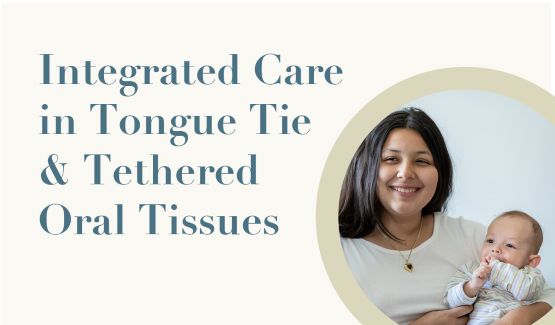
Tongue-tie (ankyloglossia) is frequently encountered in breastfeeding dyads, yet its impact extends beyond latch difficulties alone. Restricted tongue mobility can affect milk transfer, maternal comfort, infant weight gain, and the establishment of efficient feeding patterns. This presentation focuses on the functional implications of tongue-tie in the newborn period while placing it within a broader developmental context. Participants will explore how early oral dysfunction may influence feeding, breathing, and craniofacial growth, and why timely recognition matters. Emphasizing functional assessment and collaborative care, this presentation aims to support lactation consultants in identifying oral restrictions, optimizing breastfeeding outcomes, and contributing to informed, interdisciplinary management.
IBLCE Content Outline: I, III, VII
I Development & Nutrition
III Pathology
VII Clinical Skills
Babies over 4months have a developmental advantage over newborns in regards to post-frenectomy rehabilitation when we support their breastfeeding biomechanics holistically. Tongue-tie rehabilitation after sucking reflexes have begun integrating is very possible for a breastfeeding infant. In this presentation, Lauren draws on over 25 yrs of clinical experience supporting older babies who are having all, or some, breastfeeds prior to frenectomy and will outline the importance of helping infants progress their gross motor and fine motor skills (including oral-motor skills) in a holistic approach incorporating manual therapy, movement therapy, positioning and posture, and simple home exercises to support their breastfeeding technique for comfortable and effective breastfeeding long term after frenectomy.
IBLCE Content Outline: I, III, IV, V, VII
I Development & Nutrition
III Pathology
VI Techniques
VII Clinical Skills
This presentation explores the impact of tongue ties on neurodevelopment and upper airway patency in infants. It examines how restricted tongue mobility influences orofacial function, feeding, postural development, reflex integration and autonomic dysregulation. Michelle highlights the cascading effects of tongue ties on cranial nerve function, sensory processing and motor development. Particular focus is given to how oral dysfunction and restrictions may compromise upper airway patency and contribute to compensatory breathing patterns. Attendees will gain insight into assessment techniques, interdisciplinary approaches, and timing of intervention. Emphasis will be placed on supporting optimal neurodevelopmental outcomes through early identification and treatment in early infancy.
IBLCE Content Outline: I, III, VII
I Development & Nutrition
III Pathology
VII Clinical Skills
During the last couple of years there has been an increasing focus on (breast)feeding difficulties due to tongue-ties in infants. Many mothers experience breastfeeding challenges and sometimes an unwanted, and unnecessary, breastfeeding cessation. Some infants even struggle with bottle-feeding. At the same time, an increased focus of tongue-ties being related to (breast)feeding difficulties may also lead to over-diagnosing and/or over-treatment. In this presentation, Tine will go through the main symptoms of tongue-ties and motoric restrictions in healthy babies that can be connected to or affect the (breast)feeding situation. She will look at the primary assessments that can help evaluate the most likely cause of the symptoms based on (breast)feeding anamnesis, examination of the baby and (breast)feeding observation. She will make suggestions for further treatment and counselling based on the findings. Have you ever seen things get worse after a tongue-tie release? Not all babies are ready for release at the time of the actual diagnosis. Tine will look at factors that contribute to predicting immediate outcomes of a release and suggest recommended pre-release treatment and plans for optimizing the chance of success.
IBLCE Content Outline: I, III, IV, V, VII
I Development & Nutrition
III Pathology
IV Pharmacology & Toxicology
V Psychology, Sociology & Anthropology
VII Clinical Skills
The positive impact of breastfeeding on infants and maternal health has been well documented in literature. Research in the last decade has increasingly highlighted that prolonged breastfeeding positively impacts jaw development and occlusion. After in-utero development, this could be the most potent time to contribute to the “function and form” relationship. What happens next for breastfeeding infants - in comparison to their bottle-fed counterparts - is potentially a superior functional trajectory that impacts breathing and sleep health, eating, speech and even long-term neurodevelopmental outcomes. Promoting and sustaining breastfeeding should remain a public health priority, given its enduring impact on health, quality of life, and healthcare systems across the lifespan. The contribution of oral ties in impeding prolonged breastfeeding needs to be considered in conjunction with other educational and clinical/therapeutic measures. This presentation will demonstrate several outcomes of the surgical intervention and protocol developed at Enhance Myofunction, comparing the treated population and the general population, with breastfeeding duration being one of several comparisons. The findings suggest that this IBCLC-centered, interdisciplinary model may be replicated in other settings to support breastfeeding longevity and optimise functional health outcomes.
IBLCE Content Outline: I, III, IV, VII
I Development & Nutrition
III Pathology
IV Pharmacology & Toxicology
VII Clinical Skills
Oral ties are more than a neonatal curiosity: they sit at the crossroads of feeding, functional movement, facial growth, and long‑term oral and airway health. For many newborns, a restrictive lingual or labial attachment can contribute to breastfeeding challenges such as sore nipples, inefficient milk transfer, and early cessation. Early recognition and collaborative care with lactation consultants, midwives, nurses, physicians, and allied health professionals can help families navigate feeding difficulties while honoring parental goals and infant cues. Emerging research suggests that restrictive oral tissues may influence more than just early feeding. Physiologic patterns established in infancy — from tongue posture and swallow mechanics to breathing and oral motor coordination — ripple into childhood and beyond, dental alignment, airway support, and orofacial development. This presentation brings together current evidence and practical insights so clinicians can confidently identify oral ties, understand their potential functional and developmental implications, and partner with families in compassionate care strategies.
IBLCE Content Outline: I, III, V, VII
I Development & Nutrition
III Pathology
V Psychology, Sociology & Anthropology
VII Clinical Skills
Primitive reflexes play a crucial role in early oral motor development, laying the foundation for essential functions such as sucking, swallowing, and speech production. However, when these reflexes are retained beyond their typical developmental timeline, they can contribute to dysfunctions in speech clarity, feeding efficiency, and overall orofacial muscle coordination. The persistence of primitive reflexes can result in compensatory behaviours that impact articulation, tongue posture, and swallowing patterns, often leading to long-term challenges in oral function. This presentation will delve into the relationship between retained primitive reflexes and the tongue, highlighting their influence on speech and feeding. Through case presentations, we will examine how unresolved reflexes manifest in clinical populations and the impact on oral-motor skills. Additionally, we will discuss the role of oromyofunctional therapy and other intervention approaches in addressing these dysfunctions to promote optimal oral development and function.
IBLCE Content Outline: I, III, VII
I Development & Nutrition
III Pathology
VII Clinical Skills
Treatment of tethered oral tissues in medically compromised infants can be a challenging endeavor. Treatment algorithms continue to evolve in the field of tethered oral tissues and in paediatric medicine. This presentation will perform a deep dive of the most commonly encountered coexisting medical conditions often seen in this patient population.
After this presentation, participants will be able to:
IBLCE Content Outline: I, III, IV, VII
I Development & Nutrition
III Pathology
IV Pharmacology & Toxicology
VII Clinical Skills
Tongue‑tie can restrict tongue mobility and disrupt an infant’s ability to feed effectively, yet assessment and management practices remain highly variable. A recent systematic review by Necus et al. (2025) highlighted this inconsistency and reinforces a central message echoed across current literature: functional assessment must guide clinical decision‑making. The ICAP Practice Guideline (Smart et al., 2024) similarly emphasises evaluating tongue mobility, latch quality, suck–swallow–breathe coordination, and overall feeding function rather than relying on anatomical appearance alone. Building on this shift toward functional assessment, emerging work is exploring how peri‑operative exercises can support recovery. Smart, Grant & Tseng (2024) and Cook et al. (2025) describe how structured, developmentally appropriate pre‑ and post‑operative exercises may support improved feeding function and caregiver confidence following release. Despite this emerging evidence, clinical uptake remains inconsistent, and families often receive variable guidance. This presentation brings together current research and practical insights to explore how functional assessment and evidence‑informed peri‑operative exercises can work together to support infants undergoing tongue‑tie surgery. We will examine what functional assessment looks like in real‑world practice, how exercises may contribute to improved feeding outcomes, and what clinicians can do to provide clear, consistent, and family‑centred support. The aim is to move beyond the release itself and toward a more integrated, functional, and evidence‑informed approach to tongue‑tie care.
IBLCE Content Outline: I, III, VI, VII
I Development & Nutrition
III Pathology
VI Techniques
VII Clinical Skills
The increasing recognition and treatment of infant tongue-tie and tethered oral tissues has contributed to growing clinical complexity and variation in care pathways. Families are frequently required to make decisions about assessment and potential release procedures while navigating feeding challenges, conflicting information, and significant emotional pressure. This presentation explores the role of comprehensive assessment and shared decision-making in supporting families to make fully informed choices that align with their individual goals and circumstances. Rather than positioning surgical release as a predetermined outcome, this presentation focuses on an evidence-informed framework that prioritises clinical reasoning, informed consent, and family-centred care. Participants will examine the full spectrum of management options, including conservative strategies, staged intervention approaches, and surgical release where appropriate. Particular emphasis will be placed on communicating realistic expectations, discussing potential benefits and limitations, and reducing decisional pressure during a highly vulnerable period for families. Drawing on extensive clinical experience supporting families who elect release, delay intervention, or pursue conservative management alone, this presentation provides practical strategies for counselling, communication, and ethical practice. Attendees will gain tools to foster collaborative partnerships with families while maintaining professional integrity and supporting confident, informed parental decision making.
IBLCE Content Outline: I, III, IV, V, VII
I Development & Nutrition
III Pathology
IV Pharmacology & Toxicology
V Psychology, Sociology & Anthropology
VII Clinical Skills
We are facing a rise in surgical intervention of the maxillary labial frenum even though there is uncertainty regarding the definition of normal and abnormal frenum appearance. Many infants undergo surgical intervention for "upper lip tie” (ULT) to improve breastfeeding and prevent future difficulties. However, the effect of ULT on breastfeeding and if surgical correction improves outcomes, is still poorly understood with scant and contradictory data. There are multiple reasons for the limited amount of data including the lack of a standard definition for ULT which has led to ambiguity regarding a normal vs. abnormal frenulum and which may benefit from correction.Dr Weissman will summarize and analyze the current literature on upper lip tie, its impact during our lifespan and utility of therapeutic surgical intervention.
IBLCE Content Outline: I, III, IV, VII
I Development & Nutrition
III Pathology
IV Pharmacology & Toxicology
VII Clinical Skills
Craniofacial maldevelopment has emerged as a modern epidemic, manifesting as dental malocclusion, airway restriction, and compromised bite mechanics. Neural crest cell (NCC) disruption during important embryonic windows (gestational weeks 4-7) is linked to morphological and functional impairments in modern populations. In this presentation, Scott examines how genetic vulnerabilities (BRAF, SHH, FOXG1), epigenetic modifications (maternal stress, nutritional deficiencies, declining breastfeeding rates), and environmental toxins (heavy metals, air pollution, pesticides) disrupt NCC migration and differentiation, resulting in maxillomandibular hypoplasia, nasal stenosis, and altered fascial composition, similar to Belyaev's domestication syndrome. Deficient Schwann cell populations impair nerve myelination, disrupt primitive reflex integration, and prevent cortical inhibitory control, causing speech delays, attentional deficits, and executive dysfunction. Altered trigeminal proprioception from malocclusion causing hemispheric cortical imbalances that impact arousal and cognition. Rapid human craniofacial gracilization implicates environmental, and lifestyle causes rather than genetic evolution, making this a preventable lifestyle condition. Prenatal therapies for maternal zinc and folate adequacy, stress reduction, and toxin minimisation, along with postnatal primitive reflex rehabilitation and orofacial therapy, may reverse this epidemic and promote lifelong health.
IBLCE Content Outline: I, III, VII
I Development & Nutrition
III Pathology
VII Clinical Skills
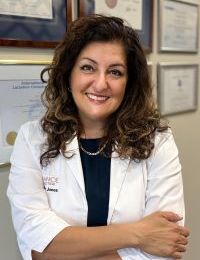
Marjan Jones
Dr Marjan Jones is owner and dental surgeon at Enhance Myofunction in Brisbane Australia. In addition to her degrees in science (physiology) and dentistry, she holds qualifications as an IBCLC and in myofunctional therapy. With close to 30 years’ experience with dental lasers, and extensive knowledge and experience in treatment of oral myofunctional disorders stemming from oral ties, she has focused her practice toward optimising the growth and function of the orofacial region. She pioneered a multi-disciplinary approach in Australia to treatment of oral restrictions for patients of all ages in 2013, closely collaborating with bodyworkers, IBCLCs, and therapists working on speech and myofunction. She co-founded the International Consortium of Ankylofrenula professionals (ICAP) and as the inaugural chairperson, established the foundations of an organisation that continues to propagate best clinical practice and research on the impact of oral ties. She served on the International Association of Tongue Tie Professionals (IATP) for two years and co-founded the Tongue Tie Institute – an organisation dedicated to education about the management of soft tissue dysfunction resulting from oral restrictions through a multi-disciplinary approach. She is a fellow of the World Clinical Laser Institute, and a member of multiple associations and academies related to airway health. She is a current reviewer of manuscripts for an international journal.

Michelle Emanuel
Michelle has been a pediatric occupational therapist for thirty years specializing in the newborn to precrawling period. She is a certified breastfeeding specialist, IBCLC, national board certified reflexologist, a registered yoga teacher and an infant massage educator. She has developed several novel curriculum such as TummyTime! Method, BabyMyo, ANS Therapeutics, BabyReflexology and more. She is an author, along with Richard Baxter et al in the highly acclaimed TongueTied book.

Scott A Siegel
Dr Scott A. Siegel is a board-certified, dual-degree (MD, DDS) oral and maxillofacial surgeon. He is a fellow of the American College of Surgeons, the International College of Surgeons, and the American Academy of Pediatrics, and a founding member of ICAP. Dr Siegel has over 25 years of experience as an oral and maxillofacial surgeon and has devoted the past 25 years to the treatment of issues related to tethered oral tissues. To date, he has performed over 30,000 tethered oral tissue surgical procedures. He is internationally recognized as a pioneering laser TOTs surgeon. During his surgical residency and in private practice, Dr Siegel was mentored by world-renowned pediatric surgeon and tongue-tie pioneer Dr Elizabeth Coryllos. He lectures internationally, conducts clinical research, and publishes in various areas related to TOTs.

Gina Weissman
Dr. Gina Weissman, graduated from the Hebrew University – Hadassah Medical School – Doctor of Dental Medicine (DMD) in 1991. She’s an IBCLC, since 1999 and a registered nurse. She is a fellow of the Academy of Breastfeeding Medicine, FABM. Dr Weissman is the owner and director of The Lactation Academy, an international school for the training of lactation consultants and she is an IBCLC mentor. She works in Laniado Maternity Hospital with newborn babies in the delivery room and until discharge. She also works at her Breastfeeding and Tongue Tie Clinic, HalavM. Dr Weissman is the exiting president of the Israeli Association of Lactation Professionals. Dr Weissman is an experienced keynote speaker, and educator on a national and international level, for lactation consultants, midwives and physicians. She's also a published researcher on several related topics. Dr Weissman is married and the mother of 4 grown breastfed boys.
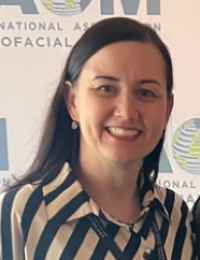
Sharon Smart
Dr Sharon Smart is a speech pathologist and senior lecturer from, Perth, Western Australia. Her clinical and research expertise focuses on paediatric feeding and swallowing, and the assessment and management of ankyloglossia (tongue tie) across infancy and childhood. Dr Smart’s clinical practice and research focus on family-centred models of care that facilitate optimal feeding in infants and children, especially following frenectomy. She has contributed to the development of international practice guidelines and educational resources in tongue tie, and research to support clinicians and caregivers navigating pre- and post-operative care for children with oral restrictions. Her research integrates functional outcome measures with caregiver perspectives to strengthen evidence based clinical decision making. Dr Smart is an active member of international research and clinical networks, including the Committee for Interprofessional Research, Education and Ankyloglossia Science (CIREAS) within International Consortium of oral Ankylofrenula Professionals (ICAP) and chairs the Australasian Society for Tethered Oral Tissue (ASTOT). She regularly presents at national and international conferences and supervises postgraduate research in infant feeding and tongue-tie. Through her teaching, research, and clinical engagement, Dr Smart is committed to advancing evidence informed, compassionate practice that supports both child outcomes and caregiver experience.

Joy Lantz
Joy Lantz is an educator, consultant, and clinician dedicated to advancing integrative, prevention-focused care. She earned her certification in orofacial myology through the International Association of Orofacial Myology (IAOM) in 2017 and currently serves as IAOM President. In 2022 she became an IBCLC, further deepening her whole-body approach to oral health. Joy is the founder of Joy Lantz: Transforming Oral Health, where she educates patients, parents, and professionals while consulting with dental practices seeking to thoughtfully integrate airway-centered care. Her passion lies in empowering dental and medical teams to collaborate in early screening for oral myofunctional and airway disorders to support lifelong health.
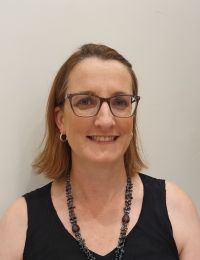
Lauren Boundy
Dr Lauren Boundy (Osteopath) has worked in Victoria, Australia as an osteopath since 2001 and currently operates Osteopathy Connections, a private practice in Healesville & Frankston, with a team of 9 osteopaths. Her own health journey, and that of her 2 children, have been powerful motivators to continue to learn and share information and experiences. Lauren has incorporated her knowledge and skills as a breastfeeding counsellor (2009) and in orofacial myology (2018) to grow her Osteopathic clinic with a focus on supporting families toward better health outcomes via tongue and lip tie support, breastfeeding mechanical support, pre and post-natal care for mums, and craniofacial and orofacial myofunctional approaches for infants to adults. Lauren has delivered education seminars for Osteopaths on “Tongue & Lip tie support for breastfeeding infants”; and “Paediatric Orofacial Myology Concepts for Osteopaths”; and has also shared her osteopathic insights at the ASTOT Symposium 2024. Lauren is a firm believer in a collaborative health approach and loves networking with like-minded professionals.

Scott Wustenberg
Dr Scott Wustenberg is an OAFMS focused neurological chiropractor and medical nutritionist. As the visionary and principal practitioner behind Advance Rehab Clinics, Dr Scott Wustenberg is far from your average chiropractor. Dr Scott is a passionate teacher in nutrition and chiropractic neurology as well as sleep/airway medicine. Inspired to become a chiropractor by his uncle, Scott first studied biochemistry and physiology at Auckland University, and chiropractic at the NZCA School of Chiropractic, graduating in the very first class, and going on to set up practices in NZ, and Australia. In addition to his Bachelor of Science and his degree in Chiropractic, Scott also has a master’s degree in nutrition medicine, and post graduate qualifications in neurological rehabilitation, is a fellow of the Australasian College of Nutrition and Environmental Medicine and continues to educate on the impacts of oral ties and dysfunctions on neurological and physical development. Scott has studied a range of chiropractic techniques, including neurorehabilitation, sacro occipital technique (SOT), cranial facial pain and TMJ biomechanics, along with cranial therapy; Dr Scott also uses orthomolecular medicine—commonly known as functional nutrition and epigenetics —to holistically treat patients. Scott lectures internationally and is the author of the book First principles: How a small change in early life creates havoc across time. This book looks at how defects in oral structures and airway issues effect health through the course of people’s lives and promotes the assessment of oral airway functional maldevelopment syndrome (OAFMS).

Eyal Botzer
Eyal Botzer graduated from the Hebrew University School of Dental Medicine in 1990 and completed his postgraduate program in pediatric dentistry there in 1995. He served as a research fellow at NYU, specializing in cleft lip and palate treatments at the Institute of Craniofacial Reconstructive Plastic Surgery. Since 1997, Dr Botzer has directed the pediatric dentistry clinic at the Tel Aviv Sourasky Medical Center, focusing on neonates with craniofacial anomalies. A founding member and former board member of the IATP, he has been a leader in tongue-tie research since 2000. Dr. Botzer co-authored the book Ma Hakesher, performed thousands of procedures on newborns, co-founded BAM-Medical Ltd., which developed the TongueGym, and established the Tel Aviv Tongue-Tie and Breastfeeding Research Center in 2019.

Jayne Vidler
Jayne Vidler is the founder and senior practitioner at The Early Parenting Collective (TEPC). She is an IBCLC, registered nurse, child and family health nurse, orofacial myology therapist, and educator with over 22 years’ experience supporting families in the early parenting period. Jayne has a particular clinical interest in complex infant feeding presentations, tethered oral tissues, and multidisciplinary care for babies with feeding, airway, and regulation challenges. Her work combines evidence-based practice with a strong focus on informed decision-making and individualised, family-centred care. Alongside her clinical work, Jayne mentors IBCLCs and health professionals in private practice. She is currently developing the TEPC Academy, an education platform for both parents and practitioners designed to bridge clinical knowledge with practical, compassionate care.

Nada Makki-Karnib
Dr Nada Makki-Karnib is the founder and principal speech pathologist at Q Speech Hub, a leading private practice in Sydney, Australia, dedicated to supporting infants, children, and adults with speech, feeding, and language challenges. With over 22 years of combined experience as a hospital biomedical scientist and speech pathologist, Nada brings a holistic, evidence-informed and airway-focussed approach to care. Her passion lies in identifying and addressing the root causes of oral dysfunction rather than treating symptoms in isolation. This has led to her special interest in Oromyofunctional Disorders (OMDs) and their impact on breathing, sleep, craniofacial growth, and communication. Her doctoral research explored the effectiveness of oromyofunctional therapy (OMT) in treating lisps in school-aged children, an area that bridges the gap between clinical practice and emerging research. Nada is an active contributor to professional education and collaborative care. She has presented nationally and internationally on topics including tethered oral tissues, sleep-disordered breathing, dentofacial development, early orthopaedic intervention, and OMT integration into clinical practice. Nada is passionate about empowering health professionals to recognise and manage oral dysfunction within a multidisciplinary, evidence-based framework that supports optimal health and development across the lifespan.

Tine Greve
Tine Greve is a midwife since 1991, IBCLC since 2000 and she has a bachelor in Traditional Chinese Medicine in acupuncture from 2014. She has previously been working in an alternative birth care centre in Oslo for many years. She is currently working as a midwife, IBCLC and acupuncturist in a multidisciplinary health care centre for mothers and babies. She has a focus on helping mothers preparing for physiologic birth and managing breastfeeding. She has specialized in breastfeeding difficulties due to tongue-ties and motoric challenges. She has for many years been teaching in educational programs for midwives, NICU-nurses, nurse-assistants, health care visitors etc. on a national level in Norway and has experience speaking and teaching internationally. She is also a volunteer breastfeeding counsellor for “Ammehjelpen”, the Norwegian mother-to-mother support group for breastfeeding counselling (resembling La Leche League).
 US/USD