Diabetes in pregnancy is associated with delayed lactogenesis II, reduced milk supply, and increased risk of early breastfeeding challenges. Infants of mothers with diabetes are more likely to experience hypoglycaemia, often leading to early supplementation and potential disruption of breastfeeding. Understanding the physiological and clinical impacts of diabetes on lactation is essential for providing effective, anticipatory care. This presentation will explore mechanisms, common clinical presentations, and key risk factors influencing breastfeeding outcomes. Practical, evidence-based antenatal and postnatal strategies will be presented to support milk production and protect the breastfeeding relationship.
Cultural breastfeeding practices for Aboriginal and Torres Strait Islander woman has been disrupted by the ongoing impacts of colonisation and contemporary coloniality. Breastfeeding has nurtured and sustained Aboriginal and Torres Strait Islander infants for thousands of years, however the rate of breastfeeding among Aboriginal and Torres Strait Islander women is currently lower than the general population. A recent New South Wales study reported a that Aboriginal mothers with an infant/s admitted to the Neonatal Intensive Care Unit (NICU) had a high intent to breastfeed (86.4%), only 62.6% of those infants’ received breastmilk on discharge. NICU is a known barrier to cultural care for Aboriginal women, nonetheless Aboriginal women identified that breastfeeding is important and a strength of care they can provide their infant. Presently, there is limited literature that provides cultural appropriate strategies to support breastfeeding for Aboriginal and Torres Strait Islander women with infants admitted to the NICU. This study aimed to explore educational resources and support to ensure culturally safe breastfeeding experiences in the NICU. And will inform culturally responsive resources for a NICU as well as be developed into a program of work under an identified LC position in the NICU. A series of qualitative yarning circles were conducted with up to 30 Aboriginal and/or Torres Strait Islander women who are currently admitted to John Hunter Children’s Hospital NICU or living on Awabakal and Worimi country and had their baby admitted to the NICU in the last 5 years. Data collection commenced in November 2025 and due to finish early 2026. This study highlights the key areas for targeted intervention and policy refinement to enhance culturally safe breastfeeding resources for Aboriginal and Torres Strait Islander woman and their infants in the NICU.
This presentation delves into non-IgE-mediated (delayed) food allergies, with a focus cow’s milk protein allergy and related conditions. We will explore when maternal dietary adjustments are required in breastfeeding women and how to practically proceed with these adjustments. We will also explore which formula types are appropriate for these conditions if they become necessary. In closing, we will briefly review the updated ASCIA guidelines on complimentary solid introduction for IgE (immediate onset) food allergy prevention.
Late preterm infants (34–36+6weeks gestation) and early term infants (37-38+6 weeks gestation) represent a vulnerable population with distinct physiological and developmental immaturity compared to term infants, placing them at increased risk of feeding difficulties, hypoglycaemia, jaundice, and hospital readmission. Despite often appearing clinically stable, these infants frequently experience challenges with effective breastfeeding due to reduced stamina, immature suck–swallow–breathe coordination, and altered sleep–wake patterns. This presentation will explore evidence-based approaches to supporting breastfeeding in late preterm and early term infants, drawing on guidelines from the Academy of Breastfeeding Medicine (ABM) and other leading authorities. Emphasis will be placed on early identification of feeding challenges, strategies to protect maternal milk supply, and the use of individualised feeding plans that balance breastfeeding with supplementation when clinically indicated. In addition, the presentation will address the emotional and psychological needs of mothers, who may experience increased anxiety, fatigue, and disrupted expectations around infant feeding. Health professionals play a critical role in providing consistent, empathetic, and skilled support to optimise both breastfeeding outcomes and maternal confidence. By integrating clinical knowledge with compassionate care, practitioners can better support this dyad and improve short- and long-term health outcomes.
Do they sleep through the night? It must be one of the most blood-curdling questions to be asked as a new parent. It seems the pinnacle of infant sleep is a baby sleeping independently, in a cot, uninterrupted overnight, with a couple of long day naps for good measure. But in an age of sleep coaches, books, online courses and social media influencers, why does it feel like everyone has ‘the secret sauce’ for getting babies to sleep. What does the evidence tell us about how infants sleep? And how do we apply these insights to supporting families with sleep challenges? This presentation takes a deep dive into the supporting literature around how mother-baby dyads have been sleeping for millennia and how understanding the evolution of infant sleep helps us set families up for sleep success. You will leave with a simple framework for tackling the complex issue of sleep challenges with families.

Melody Jackson
Dr Melody Jackson is a GP, IBCLC and an adjunct senior clinical lecturer (UNDS). She has completed a master of public health, diplomas of child health and cognitive behavioural therapy and a postgraduate certificate in traumatic stress studies. This unique skill set drives her passion and expertise in the areas of breastfeeding medicine, maternal mental health and whole family wellbeing. She is the clinical director of Breastfeeding & Beyond in Bella Vista, Sydney, and also serves on the boards of the Academy of Breastfeeding Medicine (ABM) and the Breastfeeding Medicine Network of Australia and New Zealand (BMNANZ).
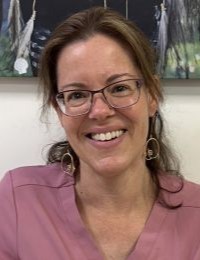
Sarah Bombell
Sarah is a GP obstetrician and lactation consultant who works in the field of breastfeeding medicine. Sarah completed her medical degree at The Australian National University. She gained her advanced diploma in obstetrics and gynaecology and her fellowship as a general practitioner. She became an IBCLC in 2008. Sarah is passionate about breastfeeding education and training and provides mentorship to those training in the field. She is also on the board of directors of the Breastfeeding Medicine Network Australia/NZ and medical director of a dedicated pregnancy, breastfeeding and women's health clinic in Canberra called the Mother Hub. Sarah also provides intrapartum obstetric care for women birthing at Queanbeyan Hospital, and supported them in gaining accreditation as the first Breastfeeding Friendly hospital in the Southern NSW Health District.
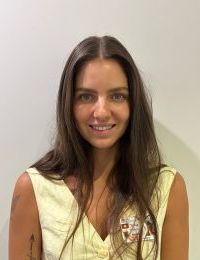
Talisa Thiering
Talisa Thiering is a proud Gumbaynggirr women, neonatal registered nurse and IBCLC. Thiering is passionate about Aboriginal and Torres Strait Islander health and aims to provide culturally appropriate breastfeeding support to Aboriginal and Torres Strait Islander women that is evidence based and Indigenous led.
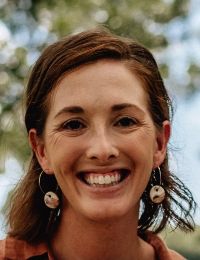
Mairaed Crawford
Dr Mairaed Crawford is a specialist general practitioner who works supporting parents in their transition to parenthood, from preconception through pregnancy, birth, the first (wonderfully challenging) 12 months of life and beyond. Her interests are supported by additional qualifications in obstetrics and gynaecology, infant feeding and sleep support, maternal mental health and the real-world experience of raising two low-sleep-needs, rambunctious boys.
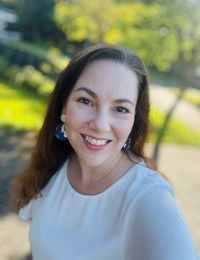
Sarah Fairhall
Dr Sarah is a born and bred Queenslander. After growing up in Townsville, Dr Sarah relocated to Cairns for her final clinical years of Medical School with JCU and graduated in 2009. Dr Sarah undertook her junior doctor training in the Cairns region completing rotations in Atherton, Cairns, Cooktown and Mareeba. Dr Sarah then ventured to the central west to finish her Rural General Practice Training and obtain her GP Fellowship. Dr Sarah returned to Cairns in 2016 and has been working here ever since. Dr Sarah has extensive experience working in Paediatric and Allergy Medicine and has strong ties and formal mentorship with the Paediatric and Immunology teams at Cairns Hospital. Dr Sarah is a warm and approachable professional but occasionally her inner child peeks through, especially if talking about Star Wars, Harry Potter or Formula 1. She values empathy and clarity and has a clinical approach which is thoughtful and considered. She is committed to creating an environment where her patients and families feel comfortable and heard.
 US/USD