The pain of labour is purposeful and productive. This presentation will explain the physiology and and necessity of pain in labour to explain why it is an important element in the preservation of a physiological birth process. Melanie will focus on the importance of the oxytocin feedback system that relies on pain and discuss what happens when this oxytocin loop is interrupted. The audience will be encouraged to see pain as a help, not a hindrance to the labour and birth process and Melanie will explain a list of non-pharmaceutical pain management tools that care providers and women can use to help work with the pain of labour, for the optimisation of birth outcomes.
Breastfeeding care can be deeply affected by previous trauma, including childhood adversity, sexual trauma, difficult birth experiences and harmful healthcare encounters. Routine aspects of lactation support, such as touch, examination, exposure, positioning and advice, may unintentionally trigger distress or a loss of control. This practical session explores how trauma can influence feeding experiences and introduces simple, compassionate approaches that promote safety, choice, collaboration and trust. Participants will learn how small changes in language and clinical practice can support autonomy and connection without requiring disclosure of trauma.
In a perfect world, every baby would latch beautifully right after delivery and feed happily ever after. In reality what we often see is that most moms and babies need a little help to get feeding off to a good start. Many dyads need a lot of help. And a few parent/baby pairs need a miracle to breastfeed successfully. How can we best help those tough cases? There are many reasons babies struggle to latch and feed well. Some issues may include structural issues, physical discomfort, respiratory concerns, medical issues, digestive issues, poor feeding tool choices, prematurity and more. Many providers are frustrated when they are unable to help a dyad latch and feed successfully. Using case studies, we will review challenging situations and the assessment techniques and care plan strategies that helped. This presentation is designed to help providers implement critical thinking when it comes to difficult cases.
Mouth breathing in infancy and childhood is associated with poor orofacial development, a wide range of poor health outcomes and is correlated with changes in behaviours associated with ADHD. In infancy, oral function and breathing patterns may also intersect with breastfeeding and feeding, providing an important opportunity for early recognition of potential concerns. Early intervention in recognising and treating the causes of mouth breathing helps to reduce health risk, increase sleep quality, improve speech and learning, and may improve behavioural markers.
In Australia, while maternal and infant outcomes are improving, and most Aboriginal and Torres Strait Islander women and their babies have positive health outcomes, there continues to be inequities in maternal and infant mortality and morbidity. Women often report negative experiences in the maternity system, due to a lack of culturally safe care. Continuity of Midwifery Care improves outcomes for women and their babies, however historically these services have not met the cultural needs of Aboriginal and Torres Strait Islander women. A culturally tailored caseload midwifery model was implemented in three hospitals in Melbourne, finding that the model improved clinical outcomes and rates of breastfeeding for women and their babies, and women reported better experiences of care. The findings of this project will be presented, in addition to breastfeeding barriers, enablers and outcomes for First Nations women and their infants.
Birth care services in Australia are under increasing scrutiny, with recent birth trauma inquiries highlighting concerns about the quality and continuity of maternity care, from pregnancy and birth through to early postnatal and breastfeeding support, and the way consumer complaints are managed. While complaints provide an important opportunity to improve health services, relatively little is known about how consumers and health practitioners experience these processes. This presentation will share findings from a scoping review examining the published evidence on complaints, notifications, litigation, and inquiries related to Australian birth care. The review identified only ten studies, revealing a significant gap in research, particularly regarding consumer experiences. Existing evidence suggests that complaints processes are often characterised by poor communication, limited transparency, lengthy investigations, and inadequate support for those involved. For health practitioners, these experiences can have lasting impacts on wellbeing, professional confidence, and workforce retention. Consumers similarly report feeling dismissed, unsupported, and uncertain about how complaints are managed or resolved.
This presentation explores the development and impact of the child and family health nurse (CFHN) role within the Royal Flying Doctor Service (RFDS) South Australia Primary Health Care model. Established in response to advocacy by the Isolated Children's Parents' Association (ICPA) of South Australia, the position was created to address identified gaps in health service access for children and families living in remote communities across South Australia. Families living in remote and isolated regions face unique challenges that can influence breastfeeding initiation and duration. Based within the Port Augusta RFDS Primary Health Care Team, the CFHN works alongside a multidisciplinary team comprising community midwives, chronic disease nurses, rural generalists, pharmacists, physiotherapists, occupational therapists, Aboriginal Health Practitioners, dietitians, podiatrists and mental health practitioners. Supported by RFDS pilots, the team delivers regular outreach services through "Bush Runs," providing essential primary healthcare to remote communities and pastoral stations. This presentation will highlight how integrating child and family health services into an established remote multidisciplinary model enhances continuity of care, strengthens breastfeeding support, and contributes to improved maternal and child health outcomes for families living in some of South Australia's most geographically isolated regions.
Concerns about medicine use during breastfeeding are common and often lead to unnecessary interruption of maternal treatment or breastfeeding. This presentation explores common misconceptions about medicines in breastfeeding and the impact of inconsistent or inaccurate advice on families and healthcare outcomes. It will review principles of medication transfer into breast milk, discuss commonly questioned medicines, and provide practical approaches to risk assessment and counselling. The session will also highlight reliable breastfeeding information resources that clinicians can use to support evidence-based decision-making. Attendees will gain confidence in evaluating medication safety during breastfeeding and delivering consistent recommendations that support both maternal health and successful breastfeeding outcomes.
Many mothers will fall pregnant again whilst breastfeeding their older baby or toddler, sometimes facing conflicting advice or uncertainty from healthcare providers. This presentation will explore some of the common challenges as well as the many benefits of supporting ongoing breastfeeding. It will also explore how to navigate more complex situations such as hyperemesis gravidarum, fertility treatments and pregnancy loss.
This presentation explores the practice of waterbirth as an evidence-based option for supporting physiological labour and birth. It will examine the current evidence regarding the benefits and risks of labouring and birthing in water, including maternal and neonatal outcomes, pain management, intervention rates, and safety considerations for clinical practice. A key focus will be the relationship between waterbirth and the optimisation of normal physiological processes during labour, including the promotion of maternal comfort, relaxation, mobility, and hormonal pathways that support labour progress and birth. The presentation will further explore how supporting physiological birth can positively influence breastfeeding initiation and establishment, highlighting the interconnected hormonal and behavioural mechanisms that contribute to maternal-infant bonding, early skin-to-skin contact, and successful breastfeeding outcomes. The session aims to provide clinicians with a balanced understanding of the evidence, enabling informed discussions with women and supporting safe, woman-centred maternity care.
Diabetes in pregnancy is associated with delayed lactogenesis II, reduced milk supply, and increased risk of early breastfeeding challenges. Infants of mothers with diabetes are more likely to experience hypoglycaemia, often leading to early supplementation and potential disruption of breastfeeding. Understanding the physiological and clinical impacts of diabetes on lactation is essential for providing effective, anticipatory care. This presentation will explore mechanisms, common clinical presentations, and key risk factors influencing breastfeeding outcomes. Practical, evidence-based antenatal and postnatal strategies will be presented to support milk production and protect the breastfeeding relationship.
The lactating breast is a dynamic organ, and comprehensive assessment techniques can provide valuable insight. This session provides a comprehensive framework for evaluating the lactating breast, including palpation and functional assessment of glandular tissue. Participants will learn to identify common lactation challenges such as inflamed mammary tissue, various causes of nipple soreness, and other localized or systemic breast issues. Emphasis will be placed on integrating clinical findings with support strategies to enhance lactation outcomes and parental well-being. Attendees will gain practical skills to perform structured mammary assessments, interpret findings, and implement integrative supportive measures.
Do they sleep through the night? It must be one of the most blood-curdling questions to be asked as a new parent. It seems the pinnacle of infant sleep is a baby sleeping independently, in a cot, uninterrupted overnight, with a couple of long day naps for good measure. But in an age of sleep coaches, books, online courses and social media influencers, why does it feel like everyone has ‘the secret sauce’ for getting babies to sleep. What does the evidence tell us about how infants sleep? And how do we apply these insights to supporting families with sleep challenges? This presentation takes a deep dive into the supporting literature around how mother-baby dyads have been sleeping for millennia and how understanding the evolution of infant sleep helps us set families up for sleep success. You will leave with a simple framework for tackling the complex issue of sleep challenges with families.
In this presentation Melanie will explain and define the ‘cascade of intervention’. This presentation will focus on a discussion of medically necessary interventions and routine interventions and remind attendees that interventions almost always have both an intended and unintended consequence. Melanie will discuss the abstract concepts of risk and safety and propose that a reduction in the use of routine interventions will culminate in fewer instances of the cascade of intervention and a subsequent increase in women's opportunity to experience a physiological birth. Melanie will explain that physiological birth has benefits that should be protected, and protection can be offered by a reduction in routine or unnecessary interventions.
There are many reasons infants struggle to latch and feed well. Critically thinking through a case involves assessing all the variables that may be impacting feedings. This is no easy task when we must consider what is happening on the parent's side and the infant's side. How can we put all the pieces of a complex case together in order to be an effective lactation detective? This session is designed to help providers implement critical thinking skills in order to think outside the box when it comes to difficult cases.
IBLCE Content Outline: III, VII
III Pathology
VII Clinical Skills
Concerns about low milk production can be frustrating for parents and clinicians alike. There are many reasons milk production can be compromised. How can lactation and health professionals best assess the root causes of the production issue at hand and suggest targeted, sustainable ideas? This presentation will help clinicians think about the ‘detective work’ needed to help provide personalized care. Through interactive case studies, participants will critically-think about assessment and care plan strategies for the families in their care that are struggling with low milk production.
Is it a tongue tie? What else could be going on? Having a deeper understanding of the orofacial complex and functional oral motor patterns can help take your assessment techniques to the next level. Curious about jaws, tongues, palates, oral tone, suck patterns, and more? This presentation will focus on understanding the finer details and the bigger picture when it comes to infant oral assessment. We will cover the basics of infant oral anatomy, assessment techniques and optimal vs suboptimal movement, strength, and sucking patterns.
Do herbs help support healthy lactation for some? How can we approach galactagogues for lactating parents in an individualized way? How can clinicians evaluate evidence and determine safety regarding galactagogues?
Herbs have been used throughout history to nourish the postpartum parent and enhance lactation. Today over 80% of the global population use plant medicines in postpartum and infant care. Parents coping with milk supply concerns are often desperate to ‘try anything’ that might help. As a clinician, you play an essential role in helping families understand the risks and benefits of herbs during lactation. By identifying meaningful resources and reliable information around galactagogues, health professionals empower families to make safe, informed choices. Beyond Fenugreek critically examines the use of herbal galactagogues to support lactation and postpartum mood concerns. This module focuses on the foundational need for individualized support when it comes to galactagogue discussion and selection.
IBLCE Content Outline: IV, VII
IV. Pharmacology & Toxicology
VII. Clinical Skills
This session will focus on common concerns regarding infant digestive health and useful support strategies that care providers can incorporate into their work with families. We will discuss what's normal and what's not in regard to stooling, spit up/reflux, colic/fussiness, food sensitivities, and more. Many parents are coping with babies that are uncomfortable and unhappy due to digestive health concerns. Dealing with a fussy, uncomfortable baby is emotionally and physically draining. Having a basic understanding of infant gut health and care strategies can be useful tools for any type of practitioner working with infants.
IBLCE Content Outline: I, III, IV, V, VII

Norma Barrett
Norma Barrett's research focuses on the transition to parenthood, family wellbeing, and experiences of health and community services, with a strong commitment to improving outcomes for parents and families through evidence-informed research. Her work explores how parents experience support services and how these services can better meet the needs of diverse families, contributing to professional practice, policy, and service improvement. Norma is currently a confirmed PhD candidate investigating parents' experiences of maternity care and health service quality through the analysis of healthcare complaints. Her doctoral research seeks to better understand patient experiences and identify opportunities to enhance the quality, safety, and responsiveness of maternity care.

Melody Jackson
Dr Melody Jackson is a GP, IBCLC and an adjunct senior clinical lecturer (UNDS). She has completed a master of public health, diplomas of child health and cognitive behavioural therapy and a postgraduate certificate in traumatic stress studies. This unique skill set drives her passion and expertise in the areas of breastfeeding medicine, maternal mental health and whole family wellbeing. She is the clinical director of Breastfeeding & Beyond in Bella Vista, Sydney, and also serves on the boards of the Academy of Breastfeeding Medicine (ABM) and the Breastfeeding Medicine Network of Australia and New Zealand (BMNANZ).

Melissa Cole
Melissa Cole is an IBCLC, neonatal oral motor assessment professional, clinical herbalist, and perinatal mental health-certified provider with over two decades of experience. As the founder of Luna Lactation & Wellness, Melissa provides clinical lactation consultations, mentorship for healthcare professionals, and education worldwide on topics ranging from infant feeding challenges to integrative perinatal care. Her approach bridges tradition and science, empowering families and providers alike with practical tools, clinical insight, and compassionate guidance. Melissa is an international speaker, researcher, published author, and a mentor to clinicians seeking advanced training in lactation and perinatal health. She is passionate about creating inclusive care spaces that honor the diverse experiences of families. Before entering clinical practice, Melissa’s background was in education, language, and cultural arts while living and studying in Japan. This experience deepened her crosscultural awareness, communication skills, and creativity—strengths that continue to serve her well in supporting diverse families with sensitivity and care.

Deborah Carrington
Dr Debbie Carrington is a rural generalist GP and IBCLC working in South West Victoria, specialising in breastfeeding medicine and perinatal care. She is a medical educator for RACGP and ACRRM and is passionate about rural families having equitable access to quality postnatal care and breastfeeding support.

Melanie Jackson
Dr Melanie Jackson (AKA Melanie The Midwife) has been a private midwife for 18 years, providing full continuity of care and assisting women to have their babies at home. Mel is focused on helping as many midwives and women around the world better understand and apply the research relating to maternity care, physiological birth and matrescence. She does this as the host of The Great Birth Rebellion Podcast, The Assembly of Rebellious Midwives, The Convergence of Rebellious Midwives and through the learning resources at www.melaniethemidwife.com. Melanie has a PhD in Midwifery called ‘Birthing Outside the System: Wanting the Best and Safest’. In her real life she is the mother to two children and wife to Dan. They work together to homeschool their children, operate a small hobby farm and operate their businesses.

Hao Vo-Tran
Hao Vo-Tran is currently the Medicines Information and Publications Pharmacist at the Royal Women’s Hospital, Melbourne. In this capacity, she provides medicines information to healthcare professionals and the public alike. She is also the editor of the Women’s Pregnancy and Breastfeeding Medicines Guide (PBMG). Hao completed her Bachelor of Pharmacy (Hons) at Monash University in 2006 and commenced her career at Western Hospital, Melbourne. In 2010, she began working at the Women’s hospital as a clinical pharmacist before transitioning to her current role. Her work allows her to continually promote the safe use of medicines in pregnancy and breastfeeding.

Mairaed Crawford
Dr Mairaed Crawford is a specialist general practitioner who works supporting parents in their transition to parenthood, from preconception through pregnancy, birth, the first (wonderfully challenging) 12 months of life and beyond. Her interests are supported by additional qualifications in obstetrics and gynaecology, infant feeding and sleep support, maternal mental health and the real-world experience of raising two low-sleep-needs, rambunctious boys.

Anna Brown
Dr Anna Brown is an osteopath with more than 10 years of experience, who trained in the UK and then moved to Australia in 2015. She treats primarily infants, young children and pregnant women with a combination of craniosacral and traditional osteopathy. She has a keen interest in mouth breathing and teaches courses to osteopaths on how to treat mouth breathing patients. She is passionate about advocating for breastfeeding, and is currently studying for a Diploma in Breastfeeding Management.
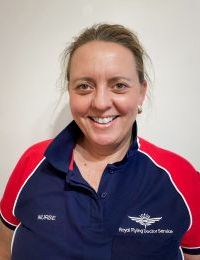
Tarnya Eggleton
Tarnya is a child health and family nurse, and IBCLC with the Royal Flying Doctor Service SA/NT. She has been an IBCLC for ten years, and working in the field of Child and Family Health Nursing (CaFHS) for more than twenty years. In May 2024, she joined the Royal Flying Doctor Service SA/NT in a newly created role within the Primary Health Care Team, located at Port Augusta Base in South Australia. Tarnya supports families and their children from birth to 5 years, who live across outback South Australia. When she’s not flying, she lives in Tanunda in the Barossa Valley.

Tanisha Springall
Tanisha is a Gamilaroi woman, mother, midwife and PhD candidate. She has worked in health for 14 years, starting her career as an Aboriginal health worker, moving into midwifery and now works as a midwifery lecturer. Her master's research explored rates of breastfeeding for First Nations women and babies cared for in the Baggarrook model at the Royal Women's Hospital. Her PhD will explore ongoing maternal and infant outcomes, including rates of child notifications and removals, for women and babies cared for by this service. Tanisha has a passion for improving outcomes for First Nations peoples, particularly women and their babies.

Kelly Kara
Kelly Kara is a respected women’s health leader with extensive experience in clinical, strategic, and operational roles in maternity care. Originally from Christchurch, New Zealand, she now serves as Director of Women’s and Children’s Services and Patient Experience, as well as Senior Midwife at Grampians Health. Kelly brings expertise in service development, quality and safety systems, and meaningful consumer and community engagement. She holds a Master of Midwifery and a Postgraduate Diploma in Health Services (Policy and Planning), and is an active contributor to midwifery scholarship. Her work includes presenting at national and international conferences and co-authoring several book chapters focused on maternity care, leadership, and culturally safe practice. Kelly is deeply committed to equity, values-based leadership, and ensuring all families—especially those in remote or culturally diverse communities—have access to safe, high-quality, and person-centred care.
 US/USD